
Historic Landmarks
About
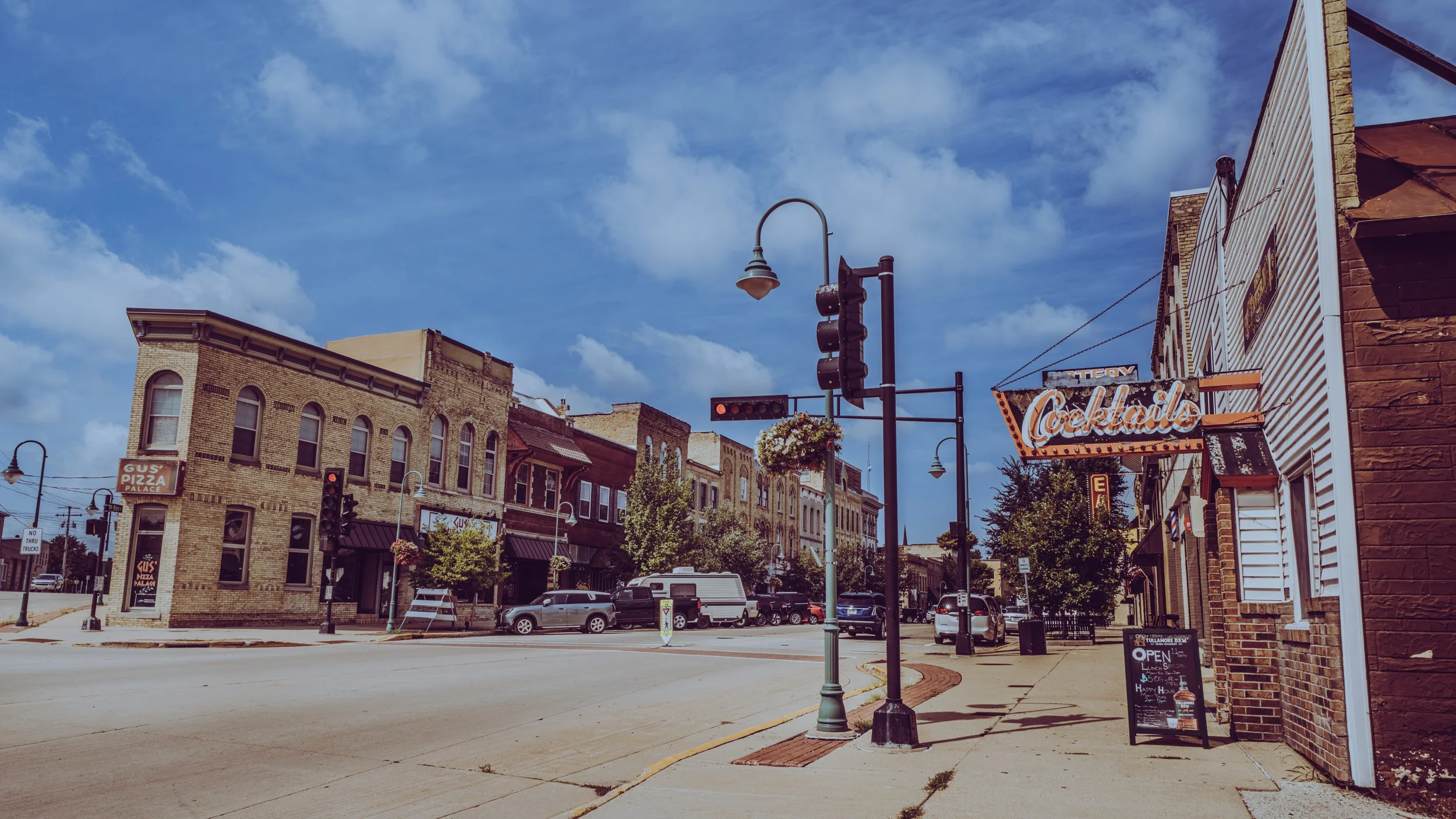
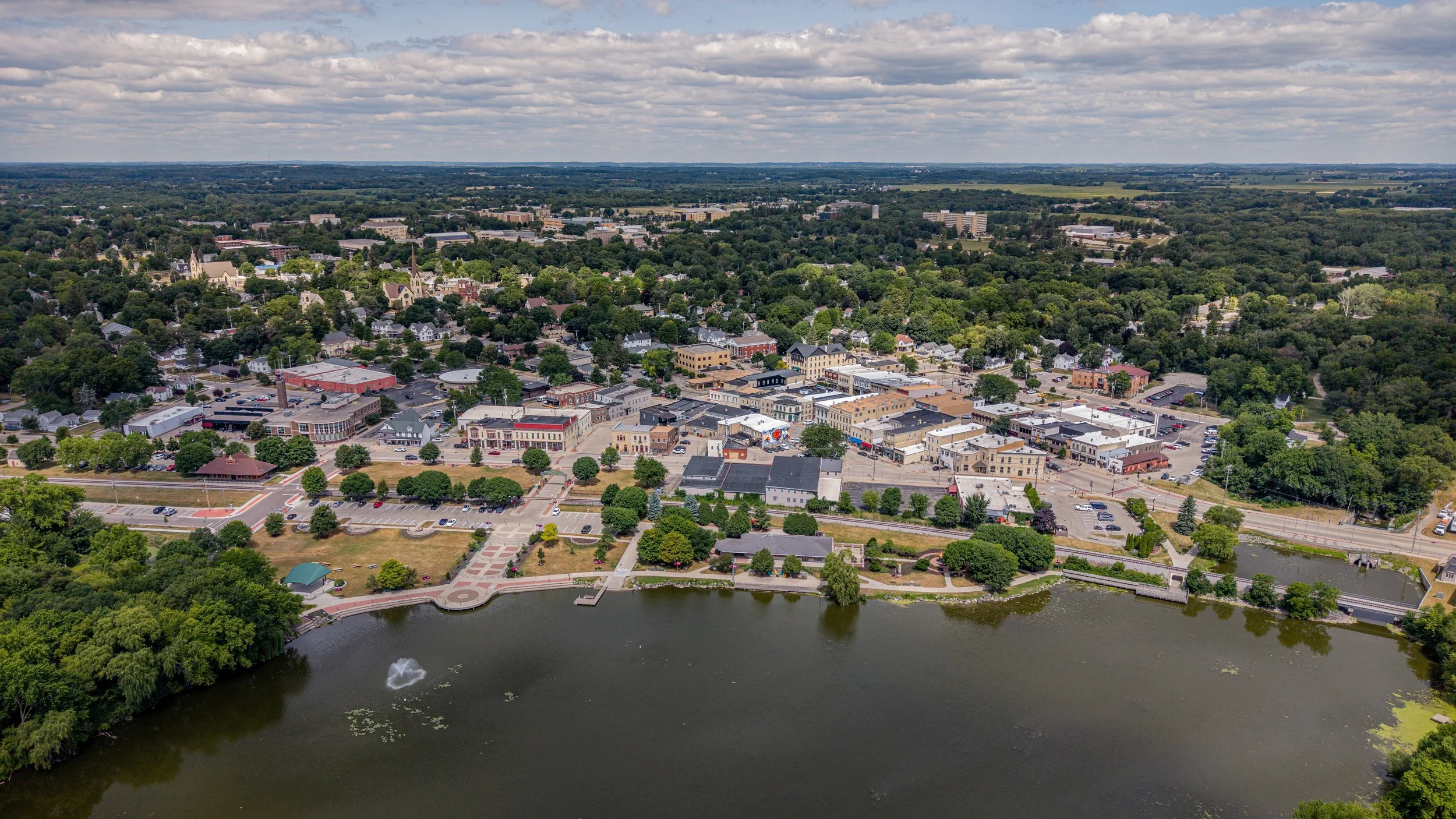
Whitewater's history comes to life through its beautifully preserved homes, churches, parks, and archaeological sites. From Victorian architecture and historic neighborhoods to Native American effigy mounds and one of Wisconsin's oldest operating water towers, these landmarks tell the story of the people and events that shaped our community.
Whether you're planning a self guided walking tour, exploring downtown, or simply enjoy local history, Whitewater's historic landmarks offer a fascinating glimpse into the past.
Explore Whitewater's Historic Landmarks
Use the interactive map below to plan your visit, then discover the stories behind each landmark.
Whitewater's Historic Homes
-
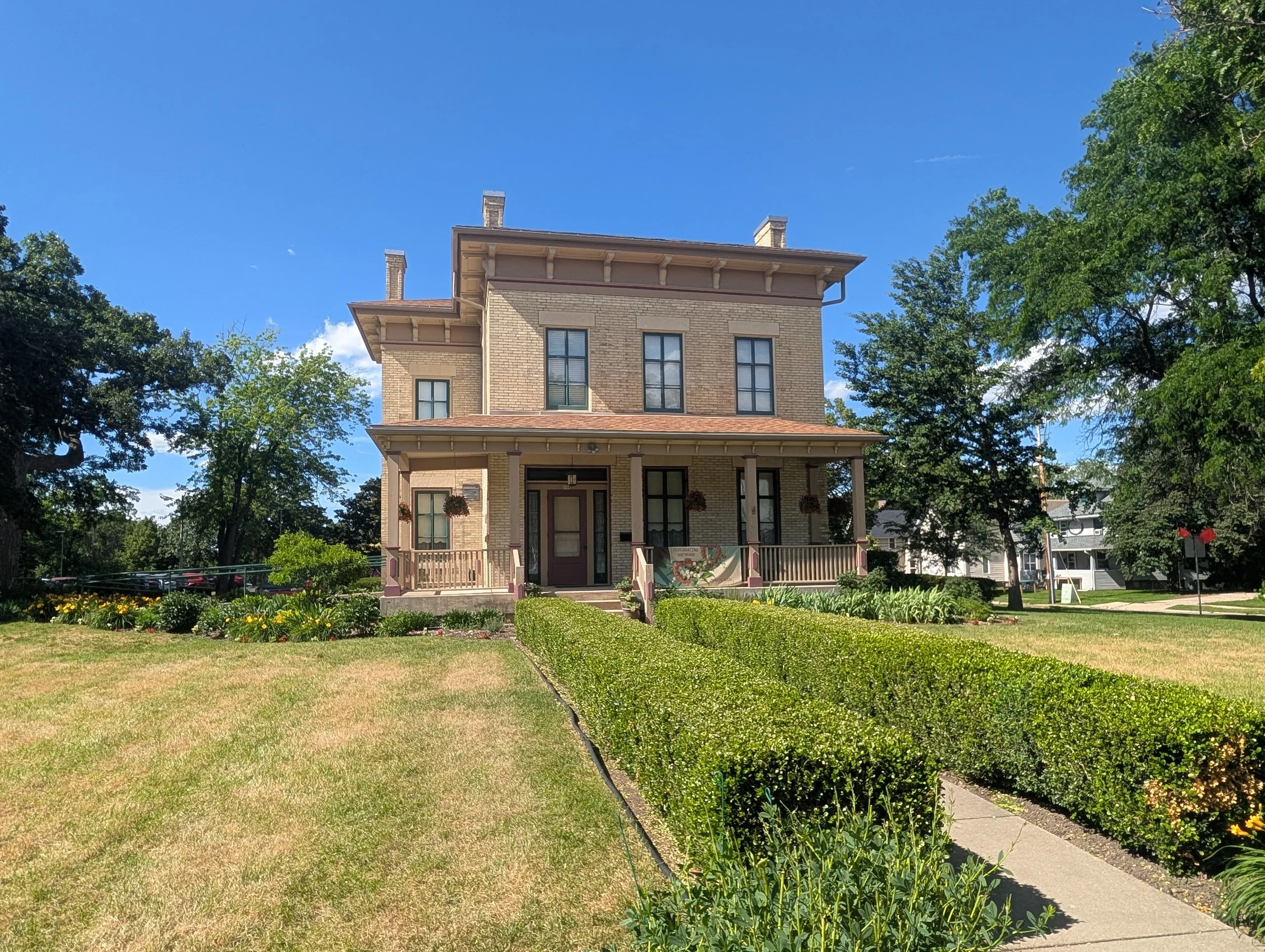
Bassett House
📍 708 W. Main Street
📜 1857, 1878 • LL 8/25/1985 • MSHD/NRHPOriginally built in 1857 and expanded in 1878, this Italianate cream brick home features decorative brackets, a mansard roof, and an ornate bay window. The Bassett family lived here for more than seventy years.
-
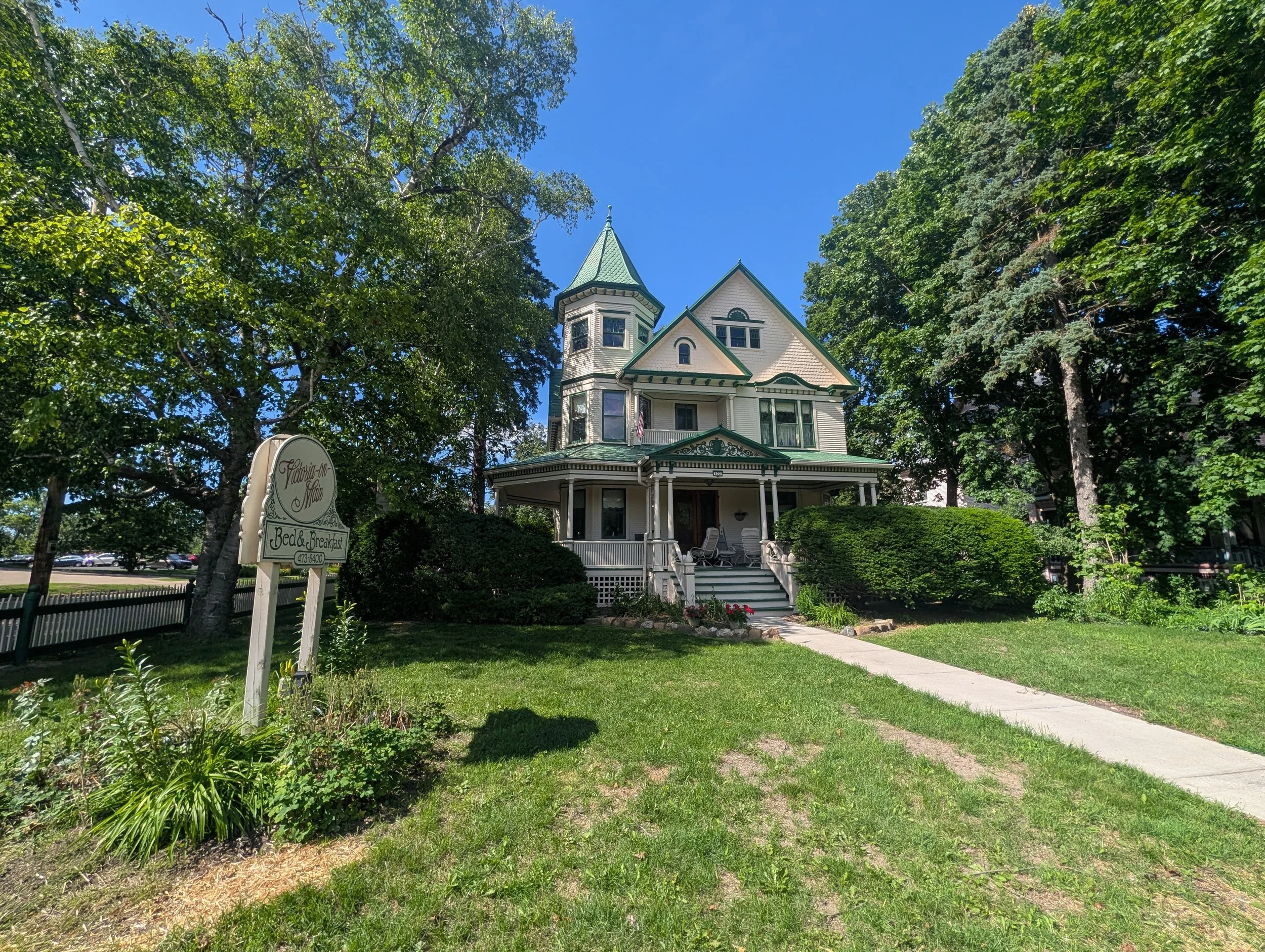
Engebretsen-Dorr House
📍 622 W. Main Street
📜 1895 • LL 4/20/1983 • MSHD/NRHPDesigned by George Bradley and Son, this Queen Anne style home was built for Edward Engebretsen, Whitewater's first treasurer and second mayor. Its octagonal tower, decorative shingles, and leaded glass windows make it a standout historic residence, and it was the first home in Whitewater wired for electricity.
-
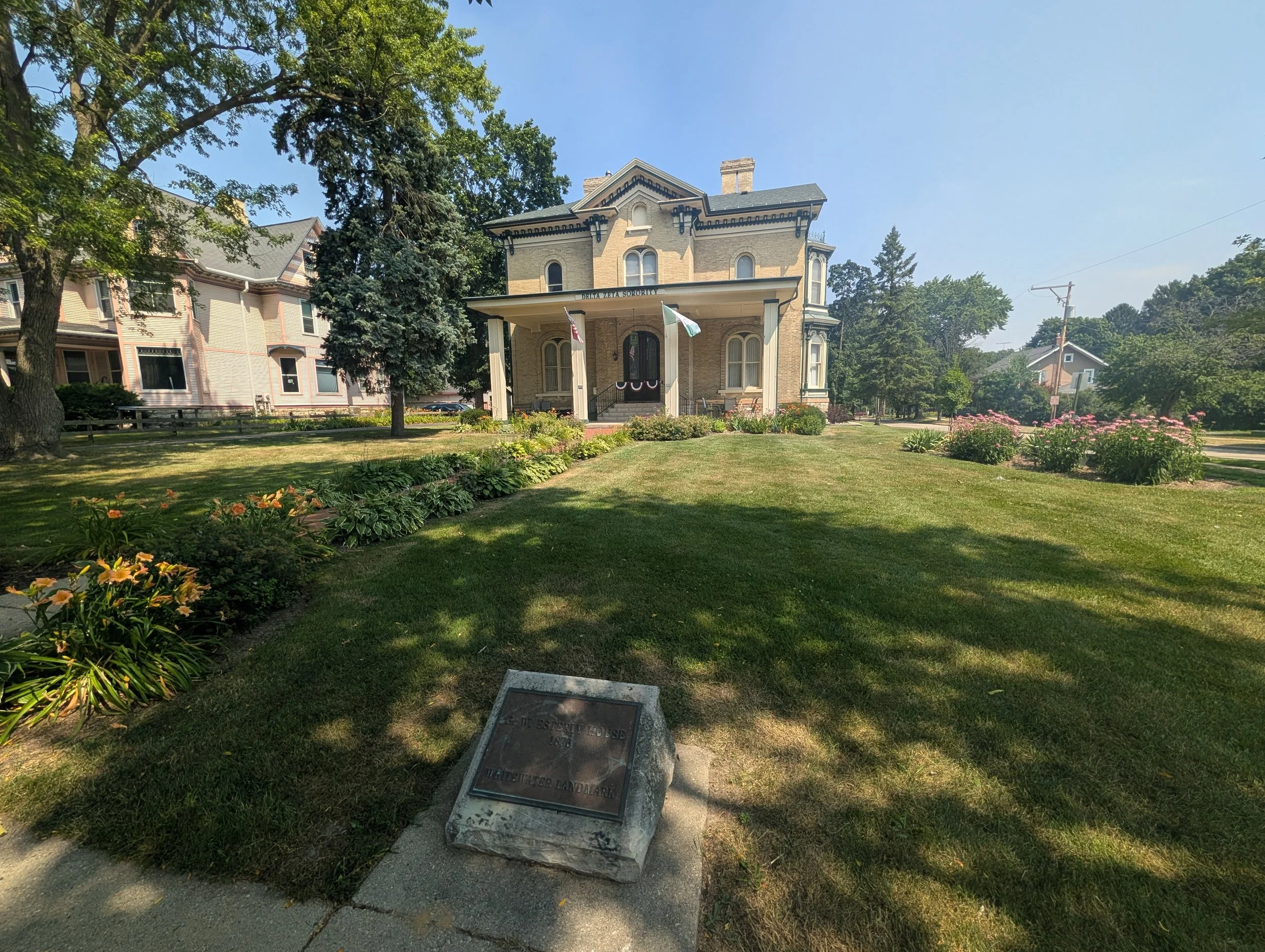
George W. Esterly House
📍 604 W. Main Street
📜 1876 • LL 10/20/1983 • MSHD/NRHPDesigned by Milwaukee architect H. C. Koch, this Italianate home was built for G. W. Esterly, whose family founded the Esterly Reaper Works. Its distinctive entry pavilion, steep hip roof, and original art glass reflect Whitewater's industrial prosperity.
-
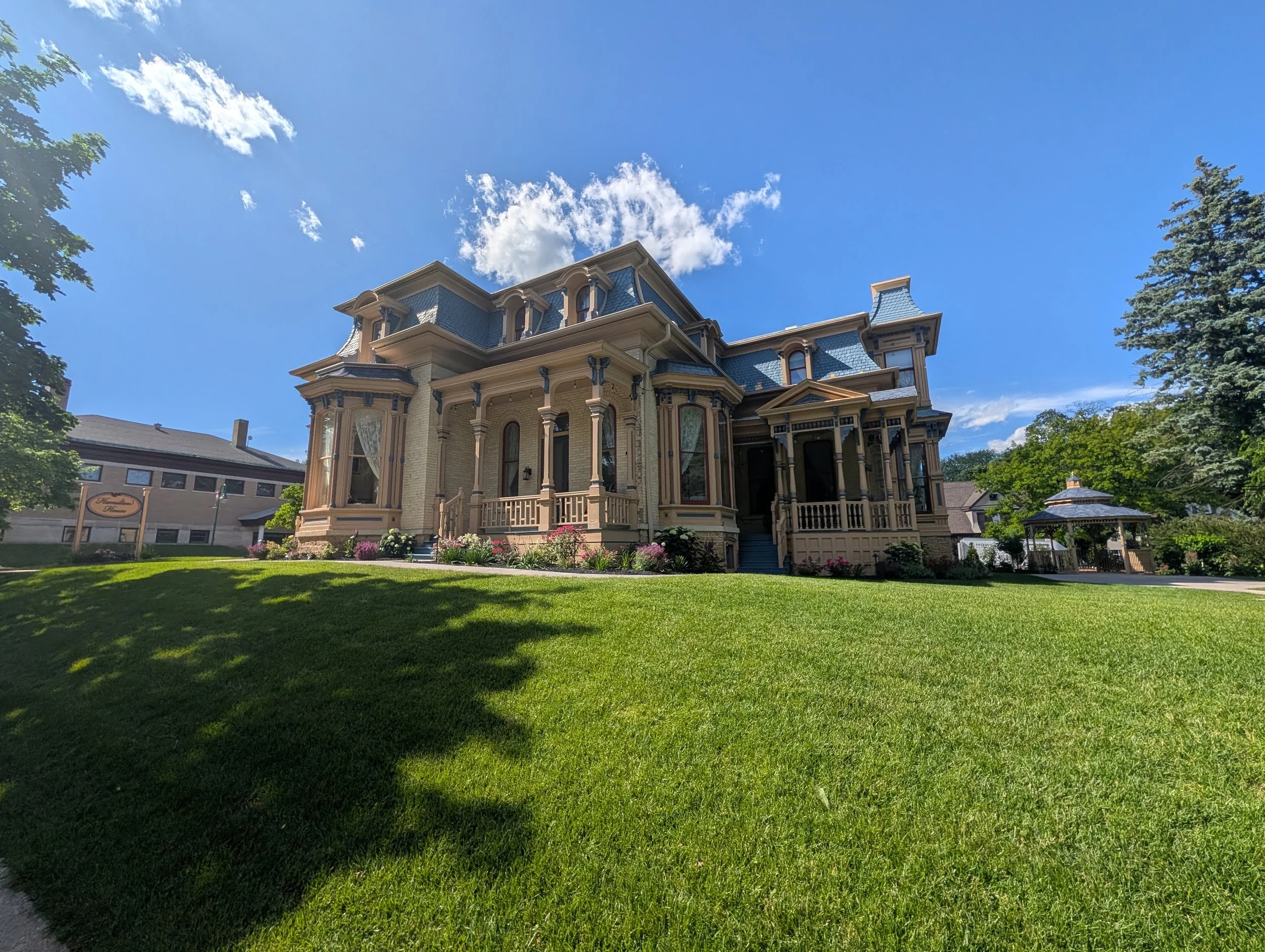
Hamilton House
📍 328 W. Main Street
📜 1868, 1881, 1887 • LL 11/8/1990 • MSHD/NRHPOriginally built in 1868, the Hamilton House was remodeled twice, transforming it into a striking blend of Italianate, Second Empire, and Queen Anne architecture. The home's basement tunnels have also led to speculation about a connection to the Underground Railroad.
-
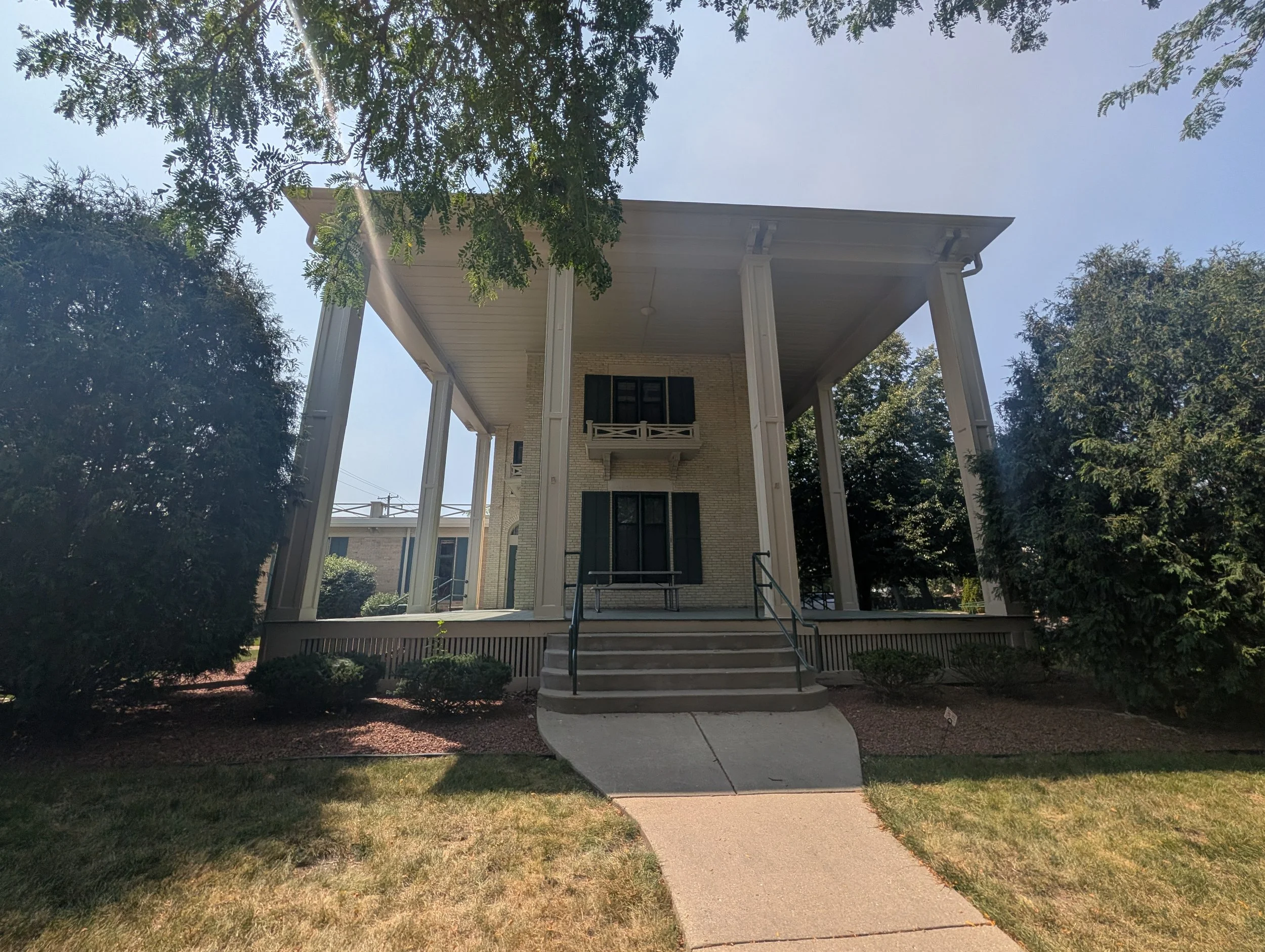
J. J. Starin House
📍 507 W. Main Street
📜 1860 • LL 7/18/1985 • MSHD/NRHPBuilt in the Italianate style with Greek Revival influences, this historic home later became the Green Shutters Restaurant before being donated to the Whitewater Federation of Women's Clubs. It has served as a gathering place for the organization since 1926.
-
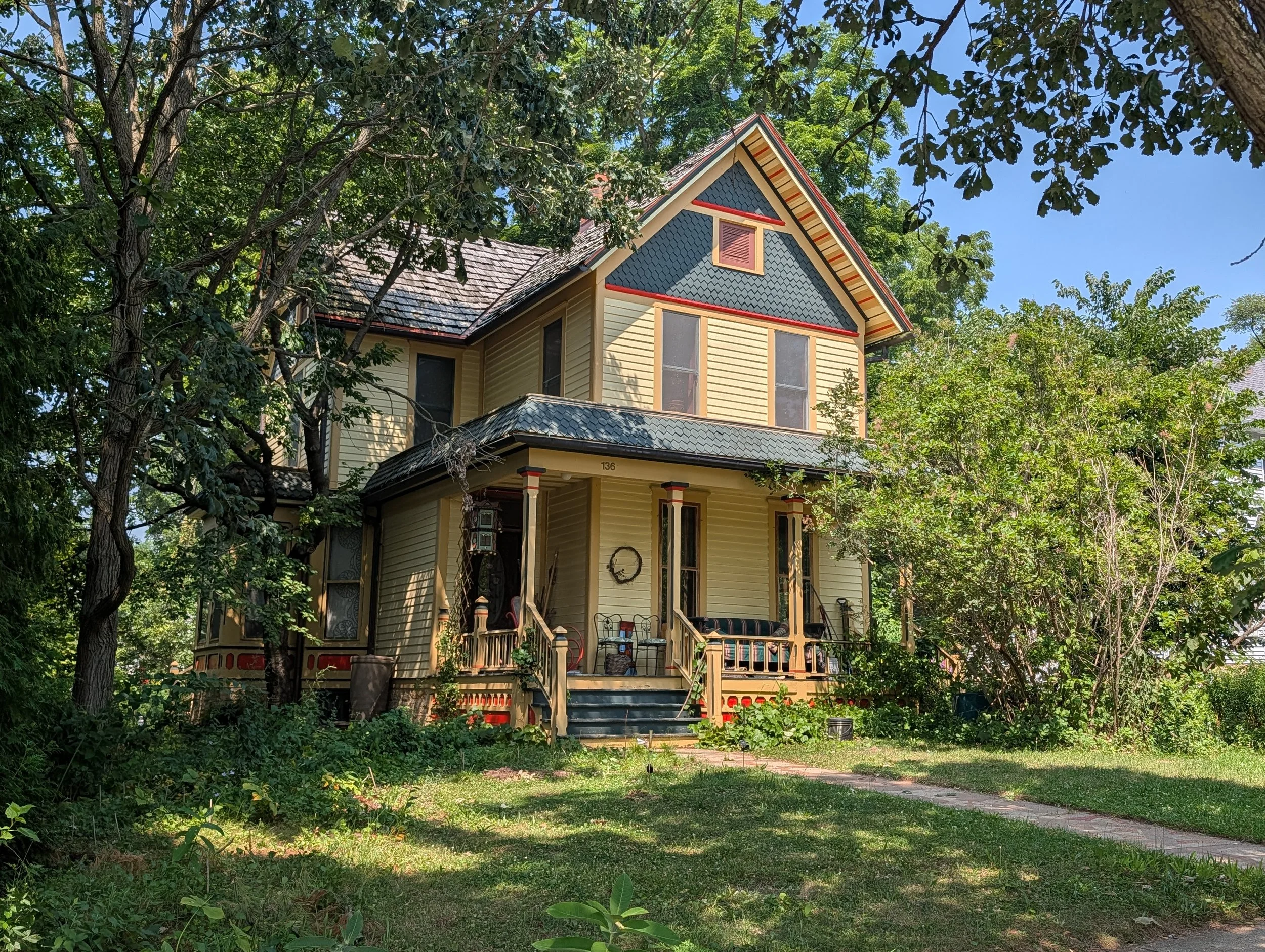
Kiernan-Yasko House
📍 136 S. Whiton Street
📜 1882 • LL 9/15/2011Built around 1882, this home later became "Kiernan's Candy Kitchen," where Erika Kiernan sold homemade confections. It is the only Whitewater landmark recognized primarily for its cultural significance rather than its architectural style.
-
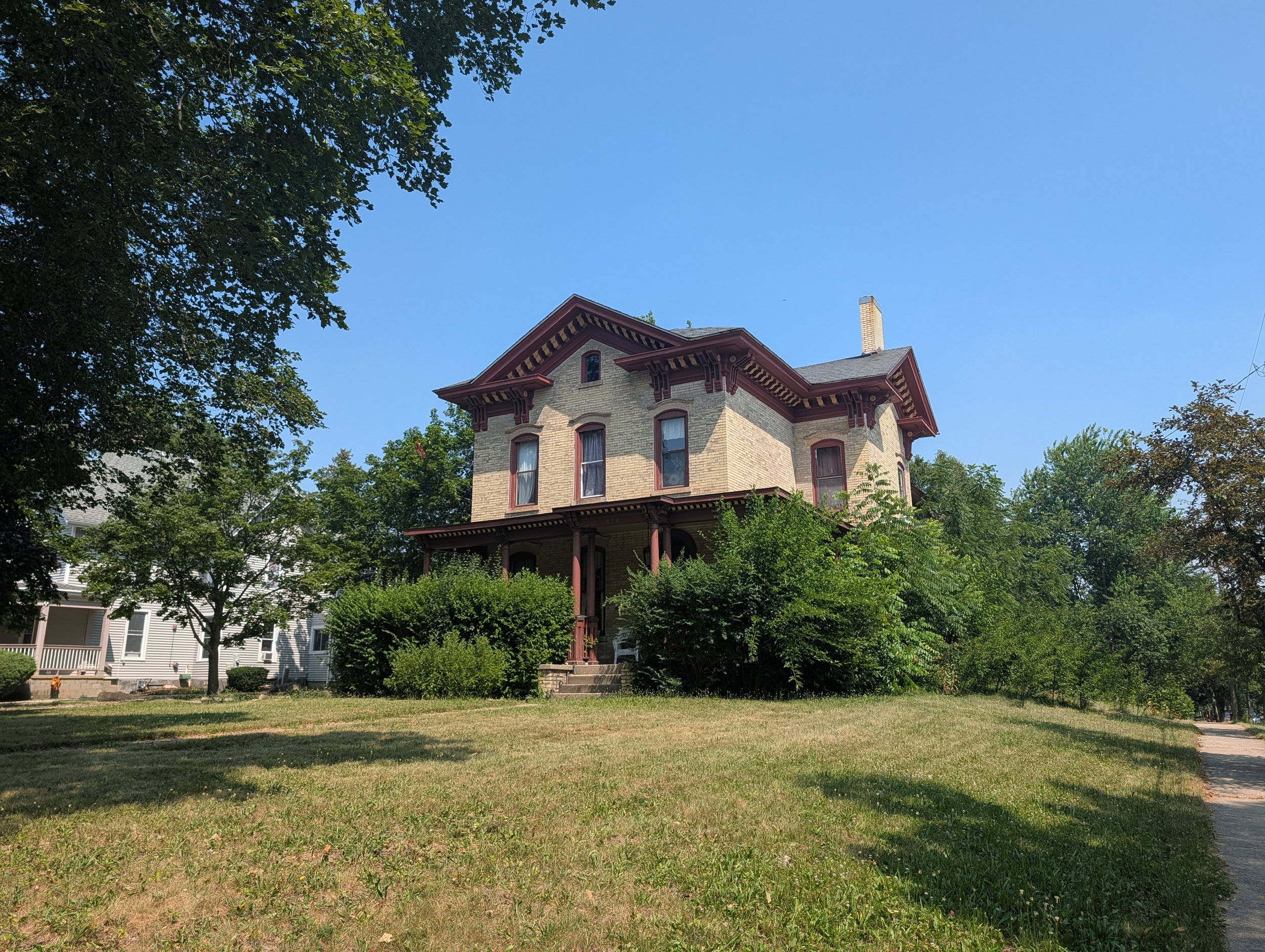
Nelson Salisbury House
📍 404 W. North Street
📜 1874 • LL 1/12/1984 • MSHD/NRHPBuilt by local builder Nelson Salisbury, this Italianate home features a massive cornice, decorative stone hood molds, and a classic front porch. Salisbury played an important role in Whitewater's history as a builder, businessman, and the first president of the Whitewater Normal School.
-
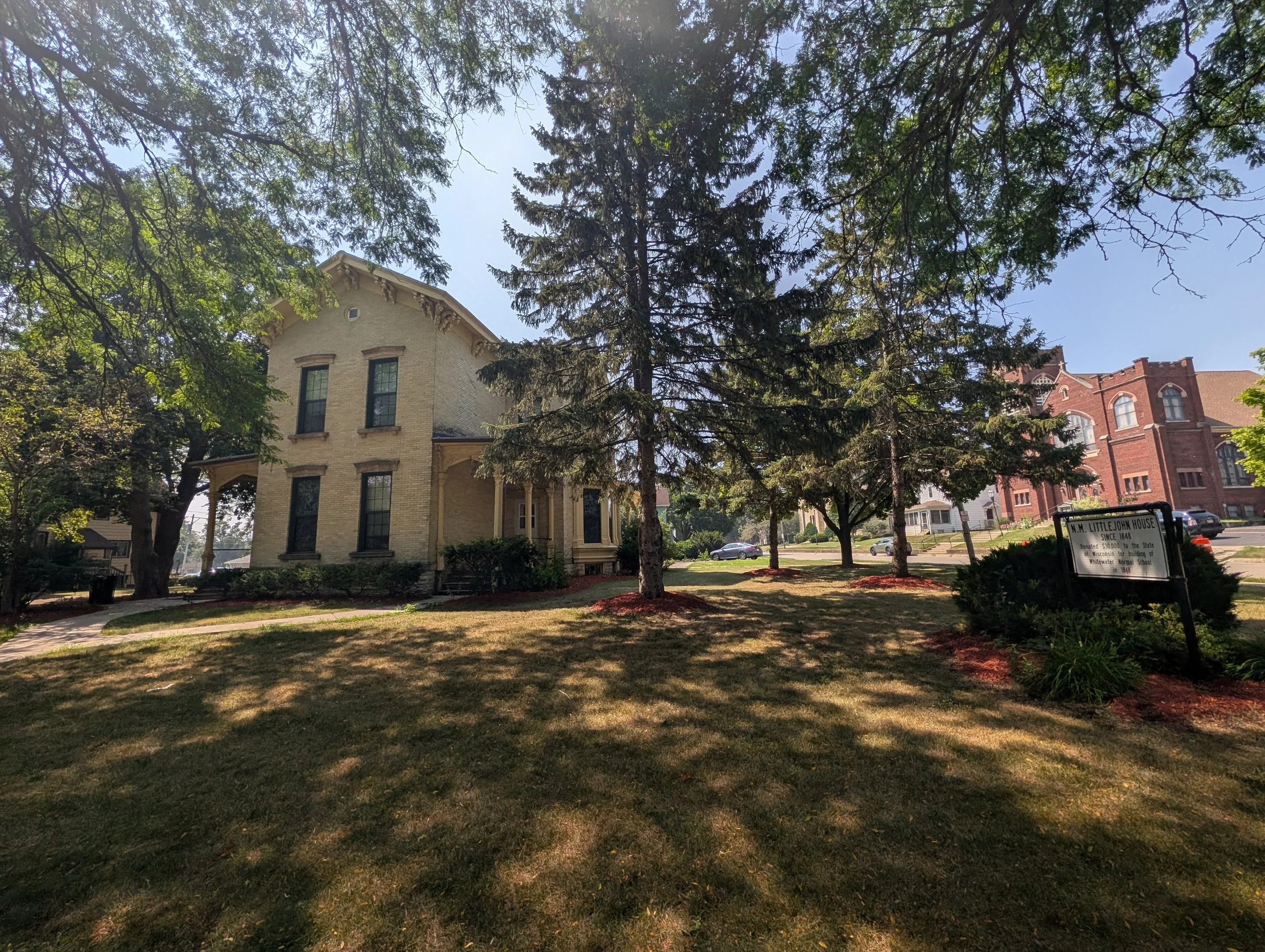
Newton M. Littlejohn House
📍 429 W. Main Street
📜 1859 • LL 8/23/1983 • MSHD/NRHPBuilt for lumberman, land investor, and Whitewater's first village president, Newton M. Littlejohn, this cream brick home showcases classic Italianate details. It later served as a parish house for the First English Lutheran Church.
-
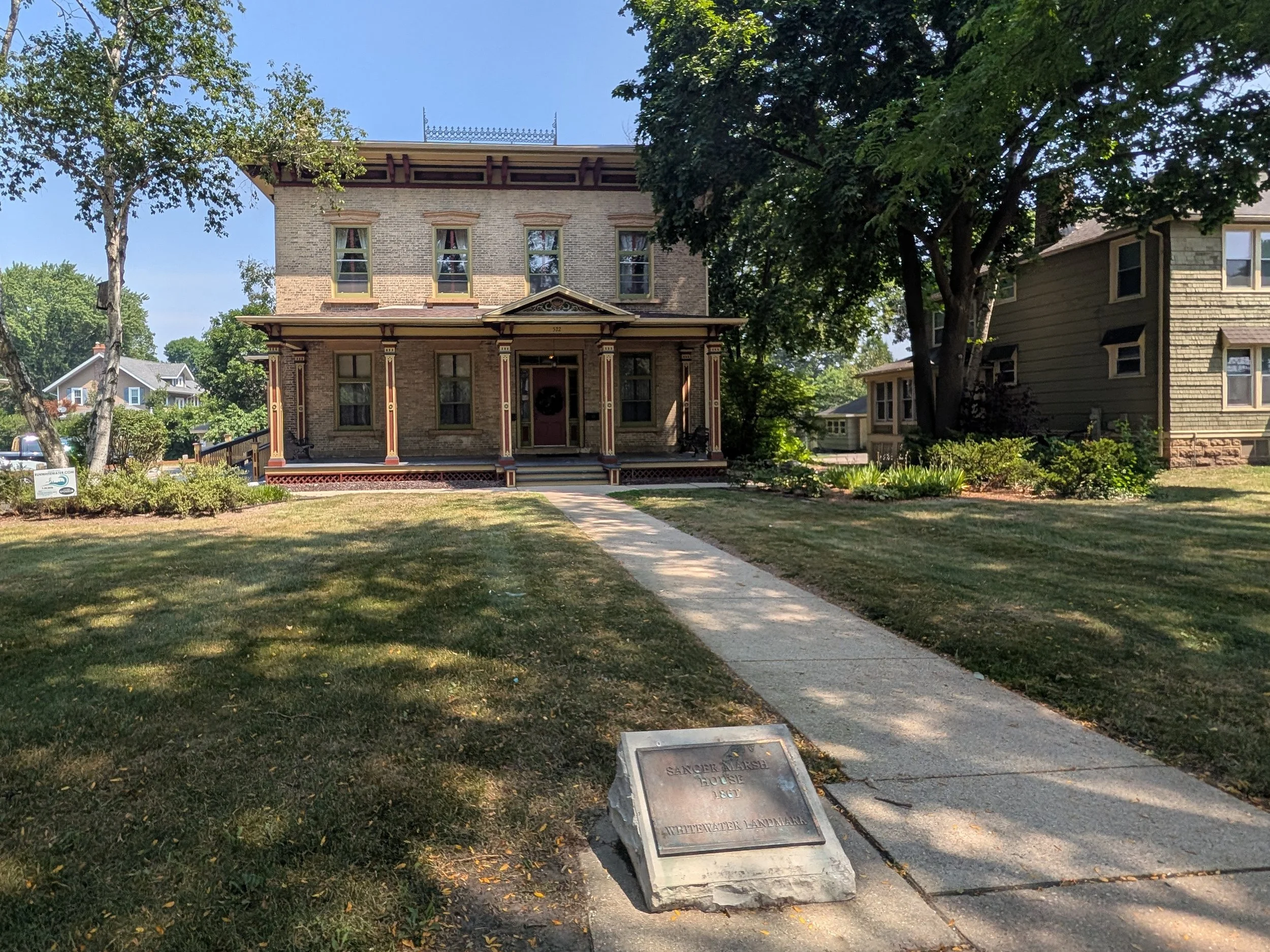
Sanger Marsh House
📍 522 W. Main Street
📜 1861 • LL 11/8/1990 • MSHD/NRHPBuilt by local builder Nelson Salisbury, this Italianate home features a low pitched hip roof, decorative brackets, and elegant front porches. It remains one of Whitewater's finest examples of nineteenth century residential architecture.
-
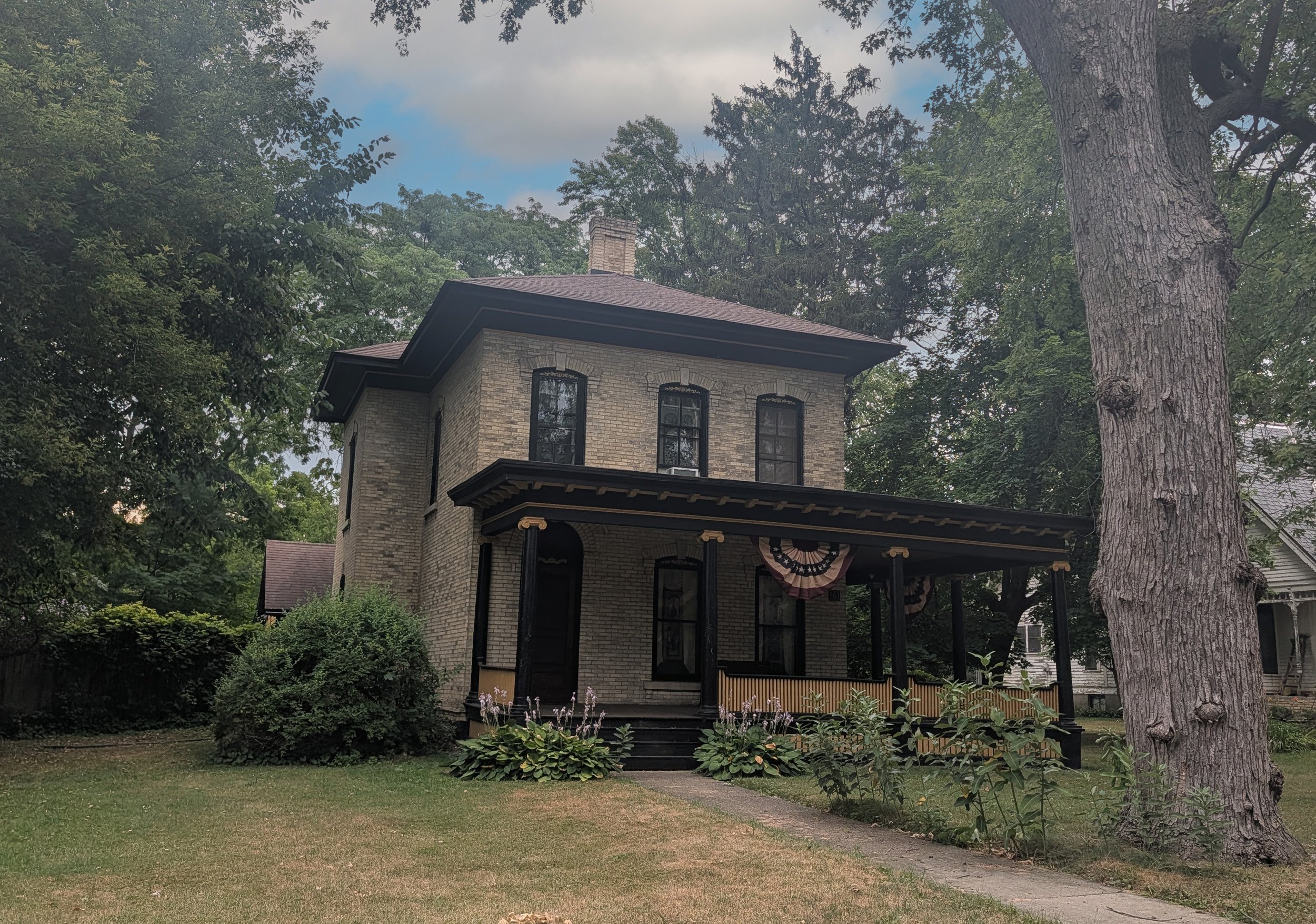
Converse House
📍 161 N. Fremont Street
📜 1869 • LL 12/8/2022Designed and built by Whitewater pioneer Frederick J. Starin for his daughter Margaret and son in law E. D. Converse, this cream brick Italianate home is one of the city's best preserved examples of the style. Its arched windows, distinctive twin front doors, and historic front porch reflect Whitewater's nineteenth century architectural heritage.
-
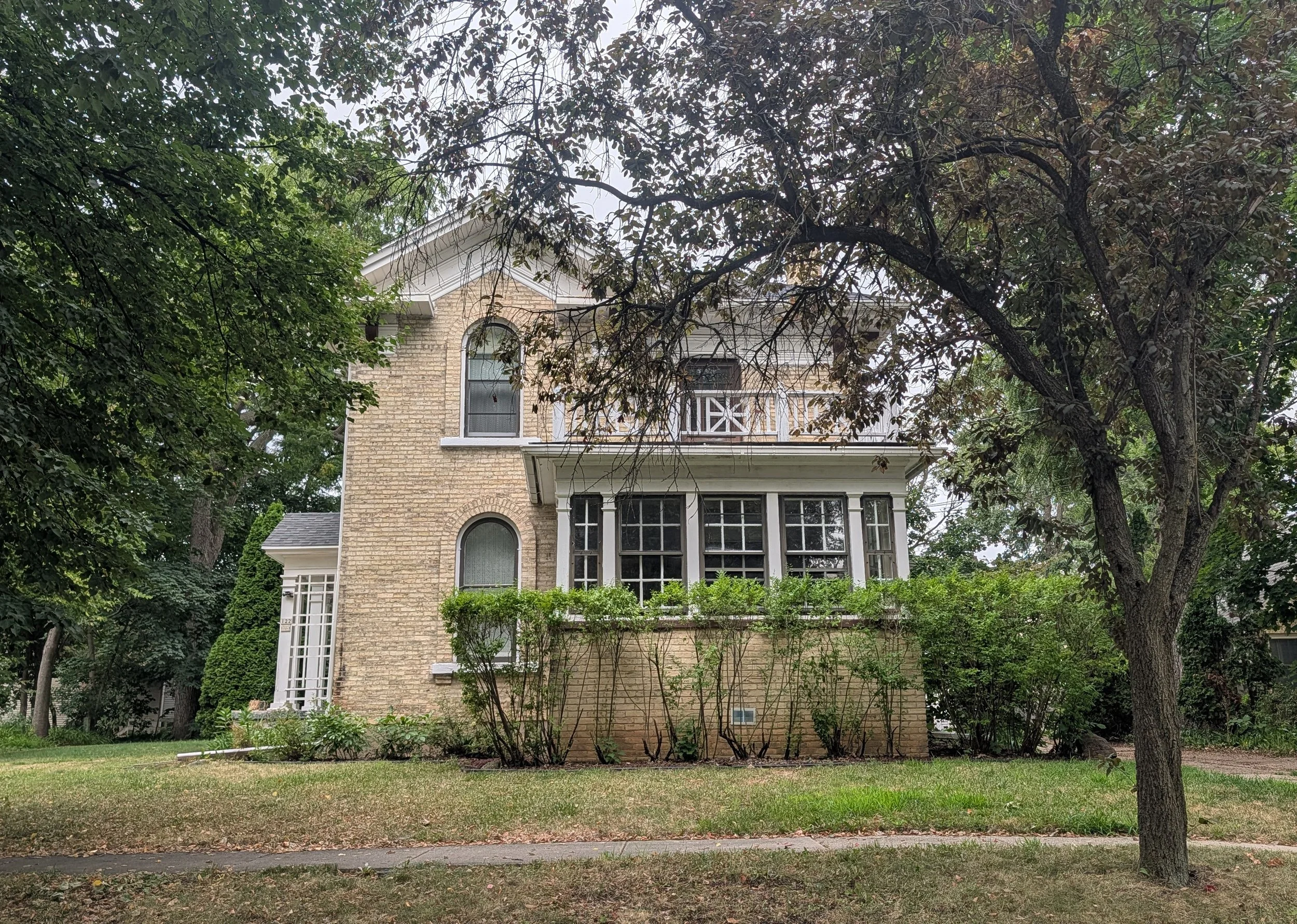
Esterly Carriage House
📍 122 N. Esterly Avenue
📜 1885–1919 • LL 10/20/1983 • MSHD/NRHPBuilt to complement the Esterly House, this cream brick carriage house features matching Italianate architecture with decorative brick arches and wide eaves. A 1919 renovation added Colonial Revival details, making it one of Wisconsin's few surviving brick carriage houses.
-
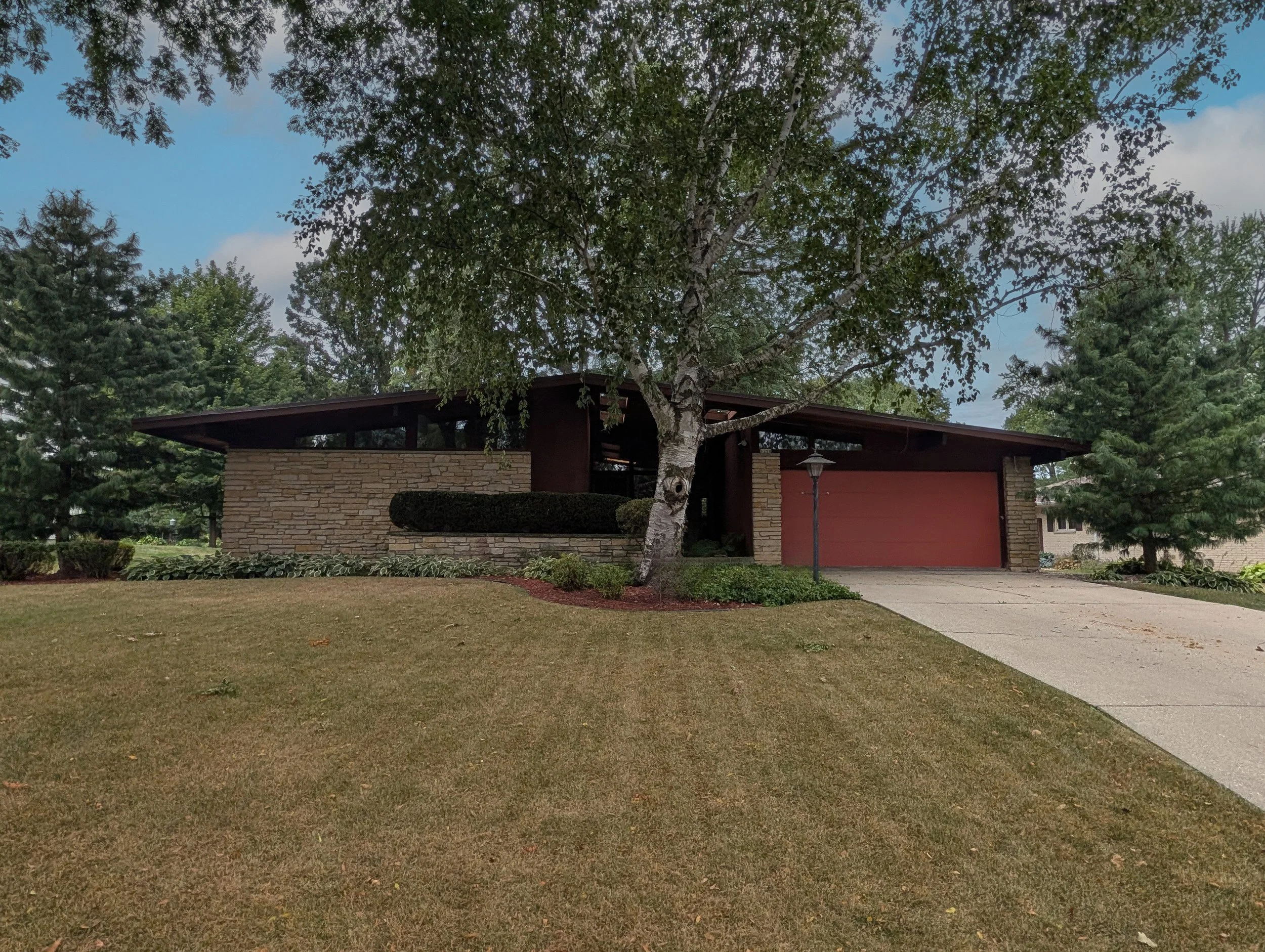
Everett and Ellen Long House
📍 1259 Satinwood Lane
📜 1966 • LL 5/6/2021Designed in 1966, the Everett and Ellen Long House is a notable example of Mid Century Modern residential architecture in Whitewater. Recognized as a Whitewater Local Landmark in 2021, the home reflects the clean lines, open design, and integration with its natural surroundings that define the architectural style.
-
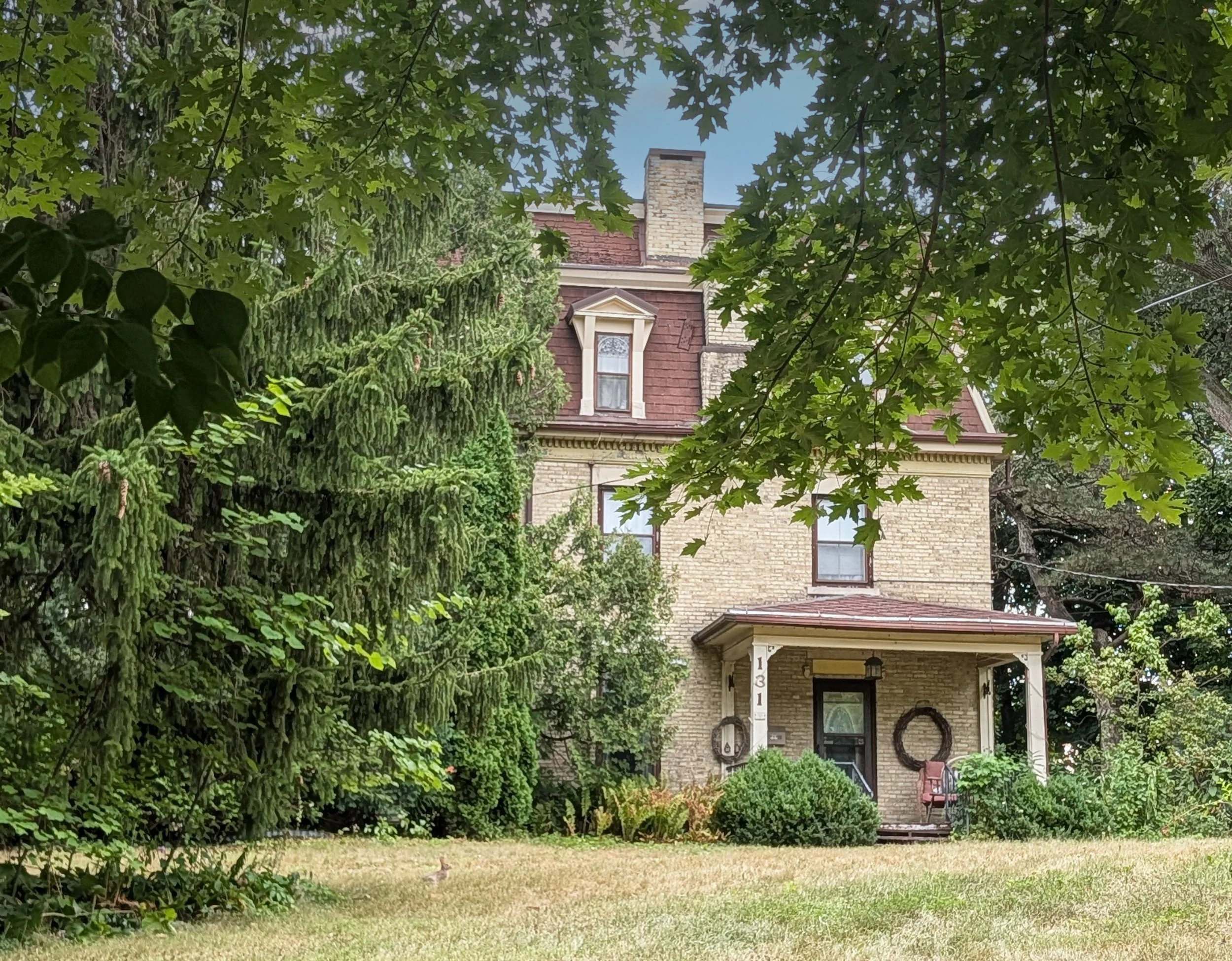
F. J. Starin Mansion
📍 131 N. Fremont Street
📜 1856, 1878 • LL 1/12/1984Originally built in the Italianate style for civil engineer Frederick J. Starin, this mansion was expanded in 1878 with a Second Empire mansard roof and fourth floor ballroom. The basement also contains a tunnel and a hidden room that have long intrigued visitors.
-
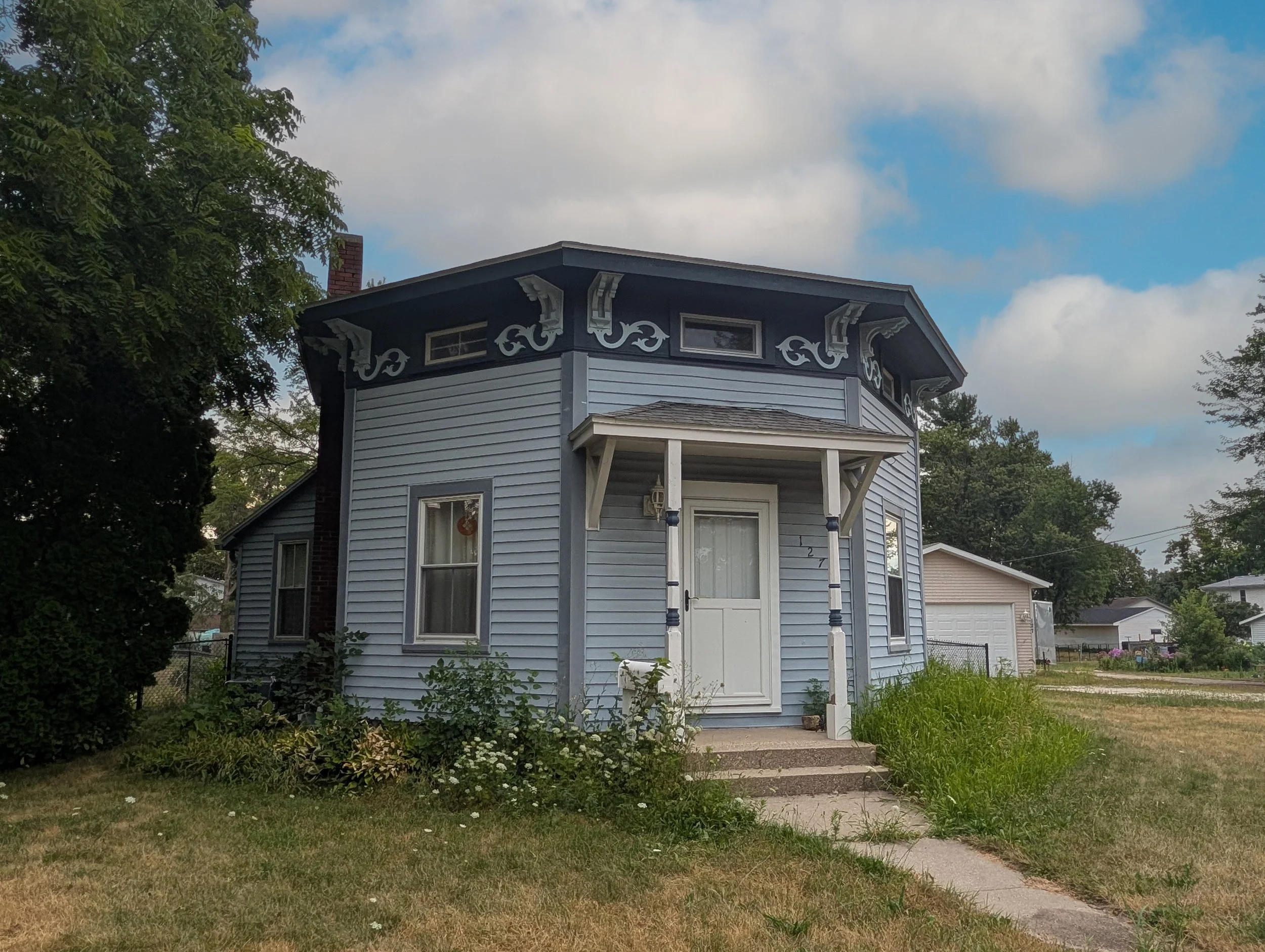
Lyman Wight Octagon House
📍 127 N. Newcomb Street
📜 1862 • LL 5/16/1985Built for Esterly Reaper Works designer T. Lyman Wight, this rare octagon style home reflects a short lived architectural movement promoting efficient home design. It is one of only a small number of octagon houses remaining in Wisconsin.
-
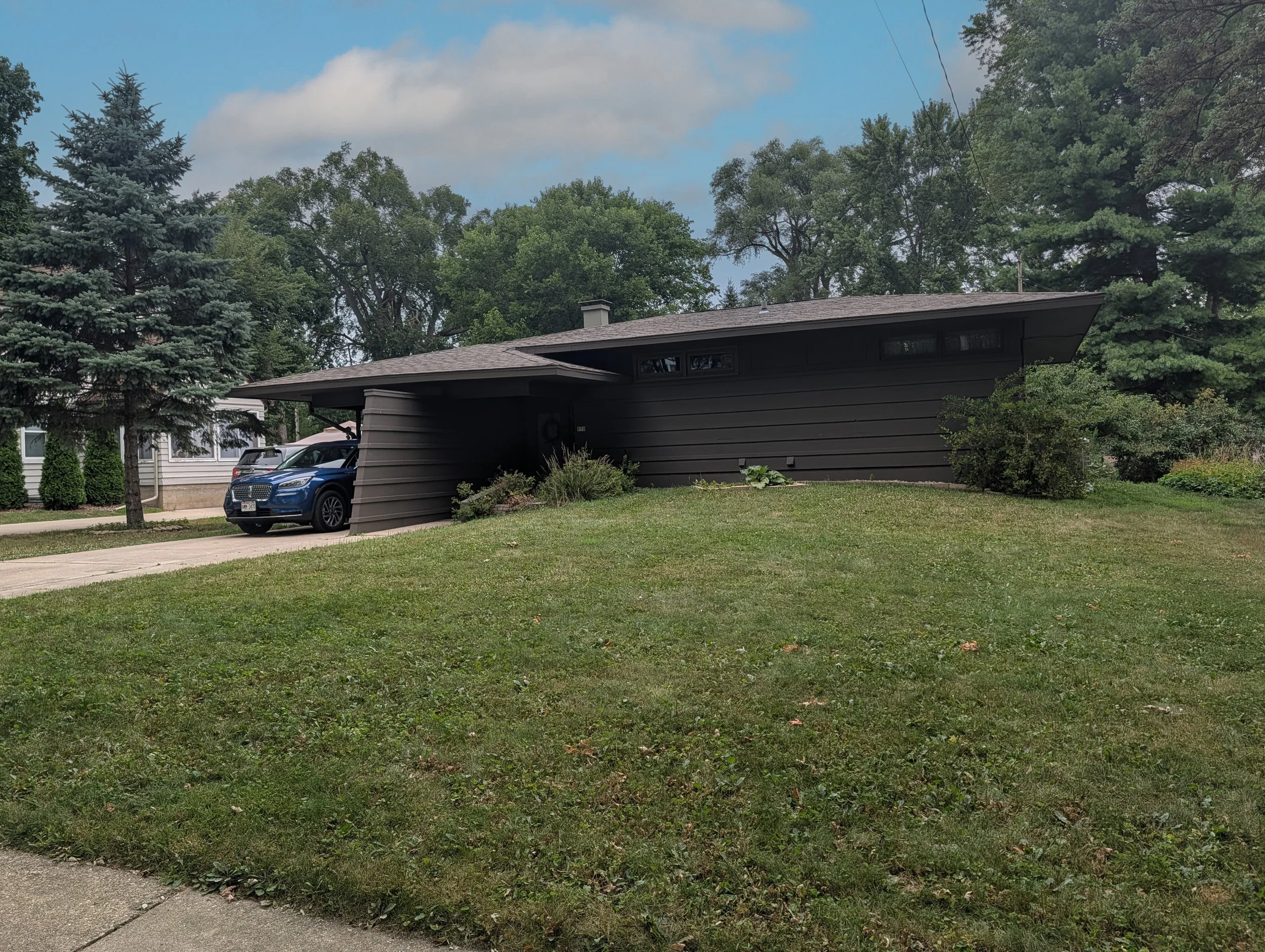
Moksnes/Epps House
📍 970 W. Highland Street
📜 Circa 1970 • LL 5/4/2017Designed by architect Peter Fritz Dreger, this modern contemporary home reflects the influence of Frank Lloyd Wright. Its innovative split level floor plan and distinctive design make it one of only two homes of its style in Whitewater.
-
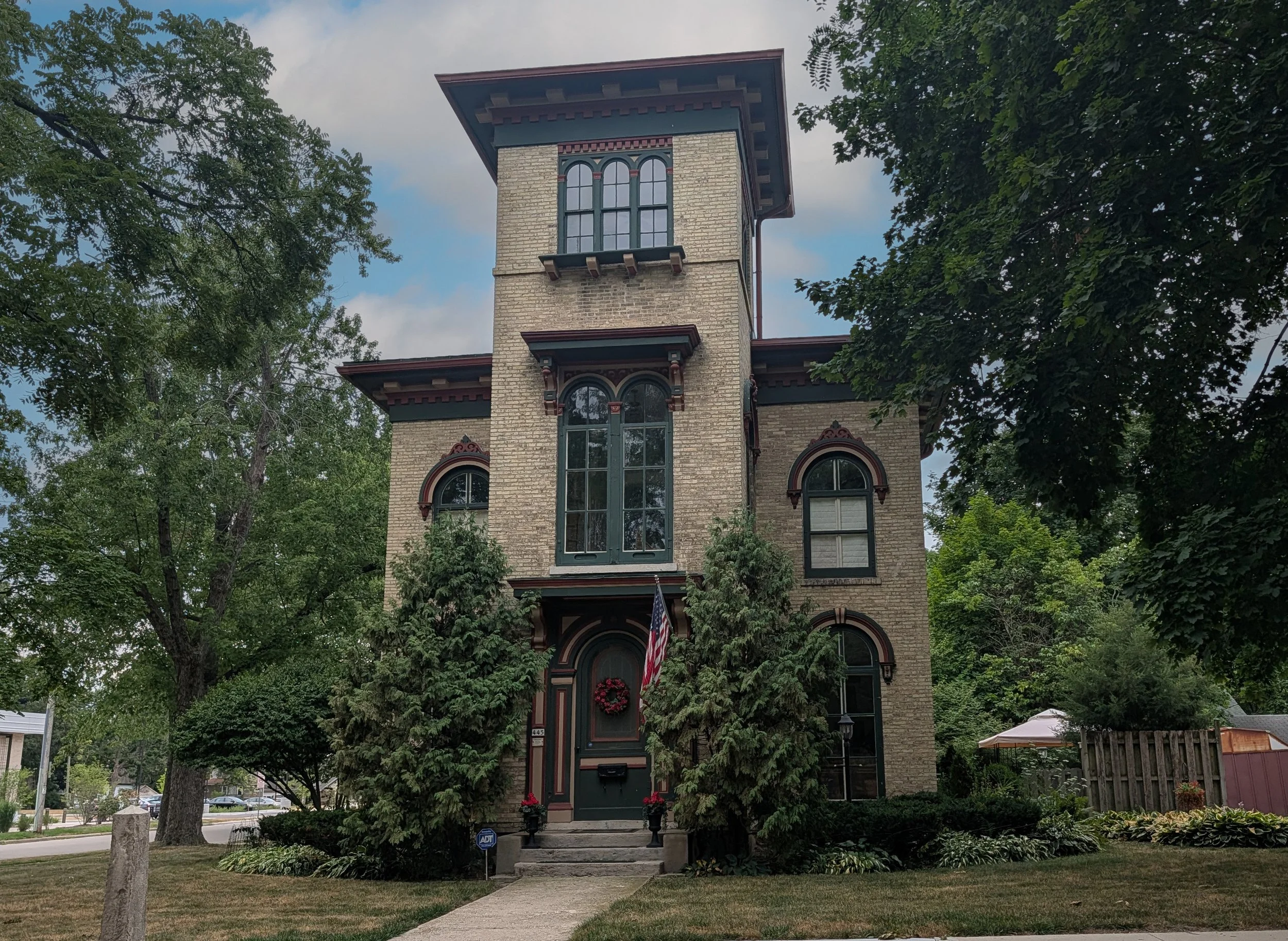
Smith-Allen House
📍 445 W. Center Street
📜 1856 • LL 4/20/1983 • MSHD/NRHPBuilt for hardware merchant E. A. Smith, this cream brick Italian Villa style home later became the residence of lumberman Nathan Allen. Its tower, decorative brackets, and tall arched windows make it one of Whitewater's finest examples of Italianate architecture.
Whitewater's Historic Places
-
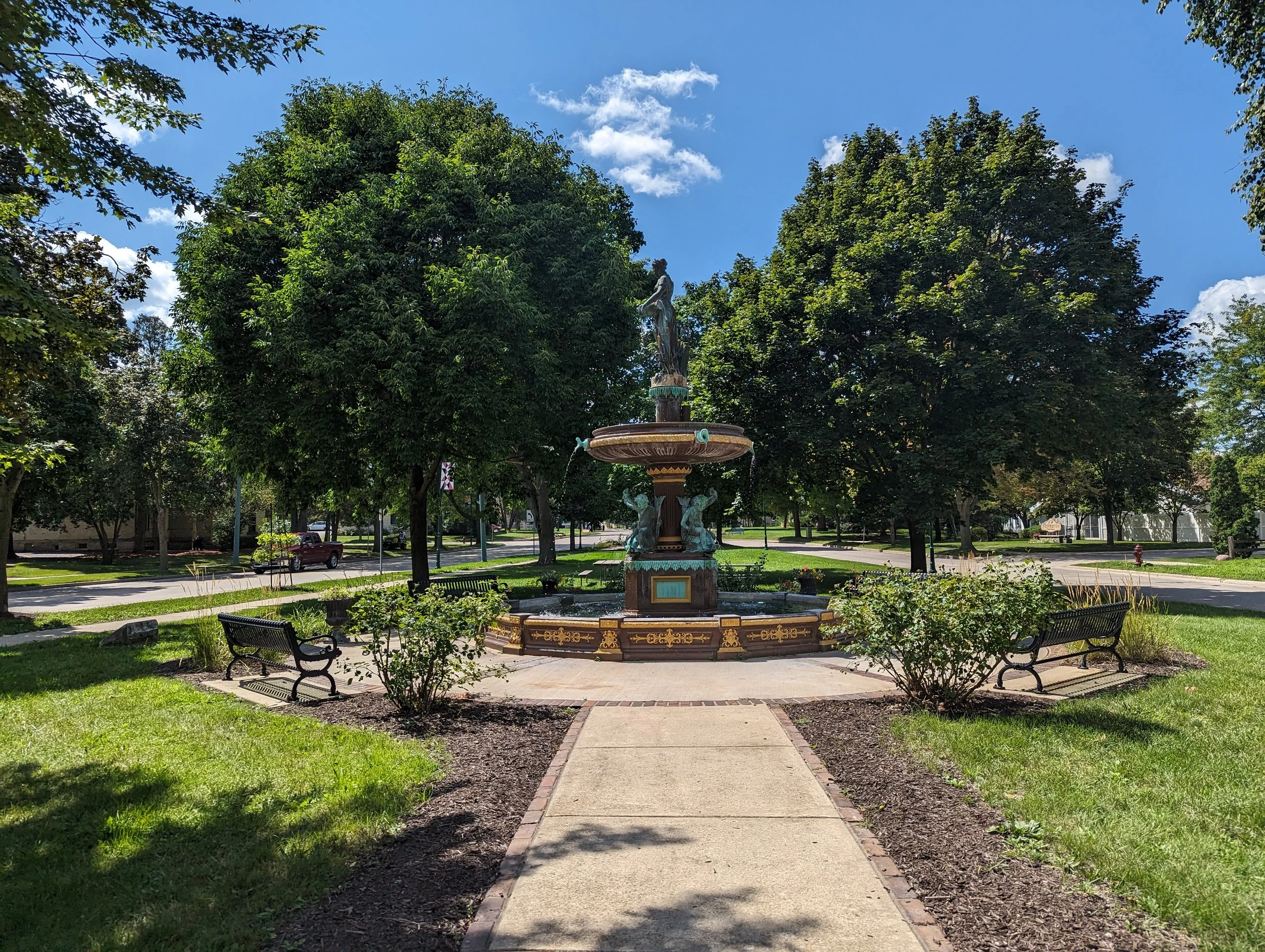
Birge Fountain
📍 402 W. Main Street
📜 1903, 2003 • LL 1/24/1985 • MSHD/NRHPDonated by Whitewater native Julius Birge in 1903, this decorative fountain stands where the former "Little Brick" schoolhouse once stood. Originally cast in zinc, it was restored and recast in bronze before being rededicated in 2003.
-
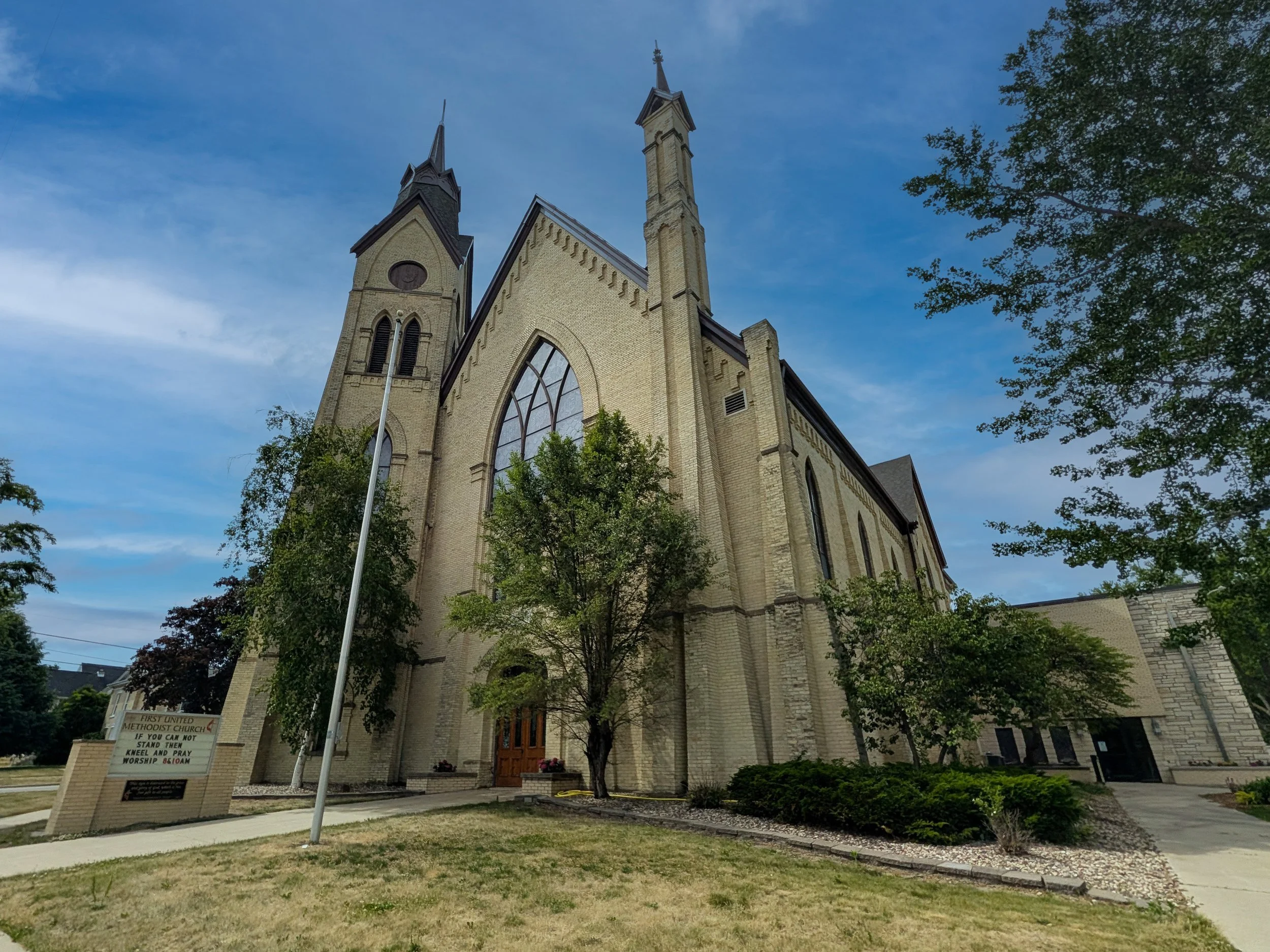
First United Methodist Church
📍 145 S. Prairie Street
📜 1872–73 • LL 2/29/1988Constructed of cream brick, this Gothic Revival church is known for its soaring steeple, pointed arches, and impressive buttresses. It has remained a prominent landmark in Whitewater since the early 1870s.
-
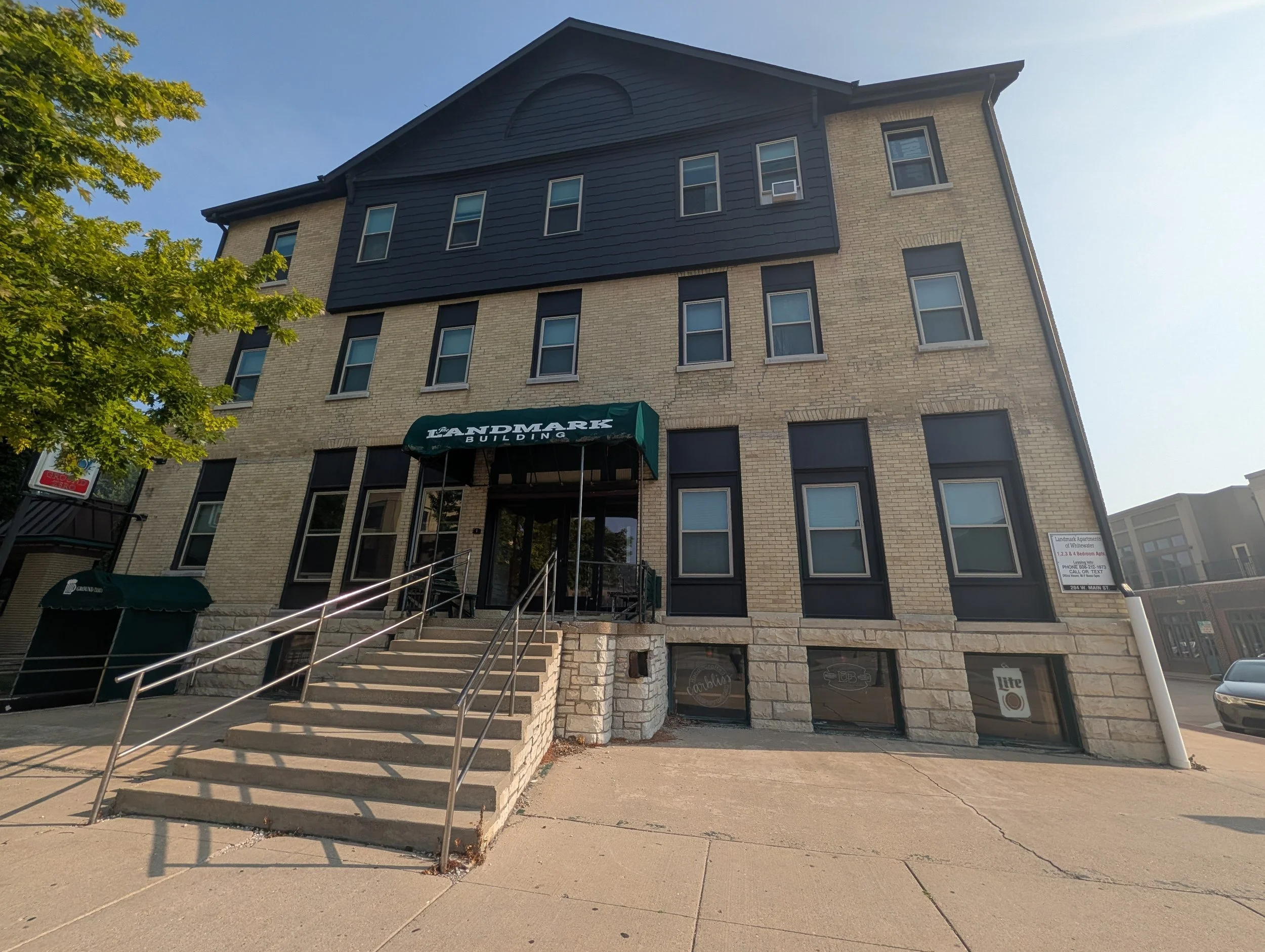
Hotel Walworth / Landmark Hotel
📍 204 W. Main Street
📜 1890, 1970s • LL 10/29/1998Built during Whitewater's industrial boom, the Hotel Walworth was once the city's premier downtown hotel and dining destination. In the 1970s, it was converted into apartments and renamed the Landmark Hotel.
-
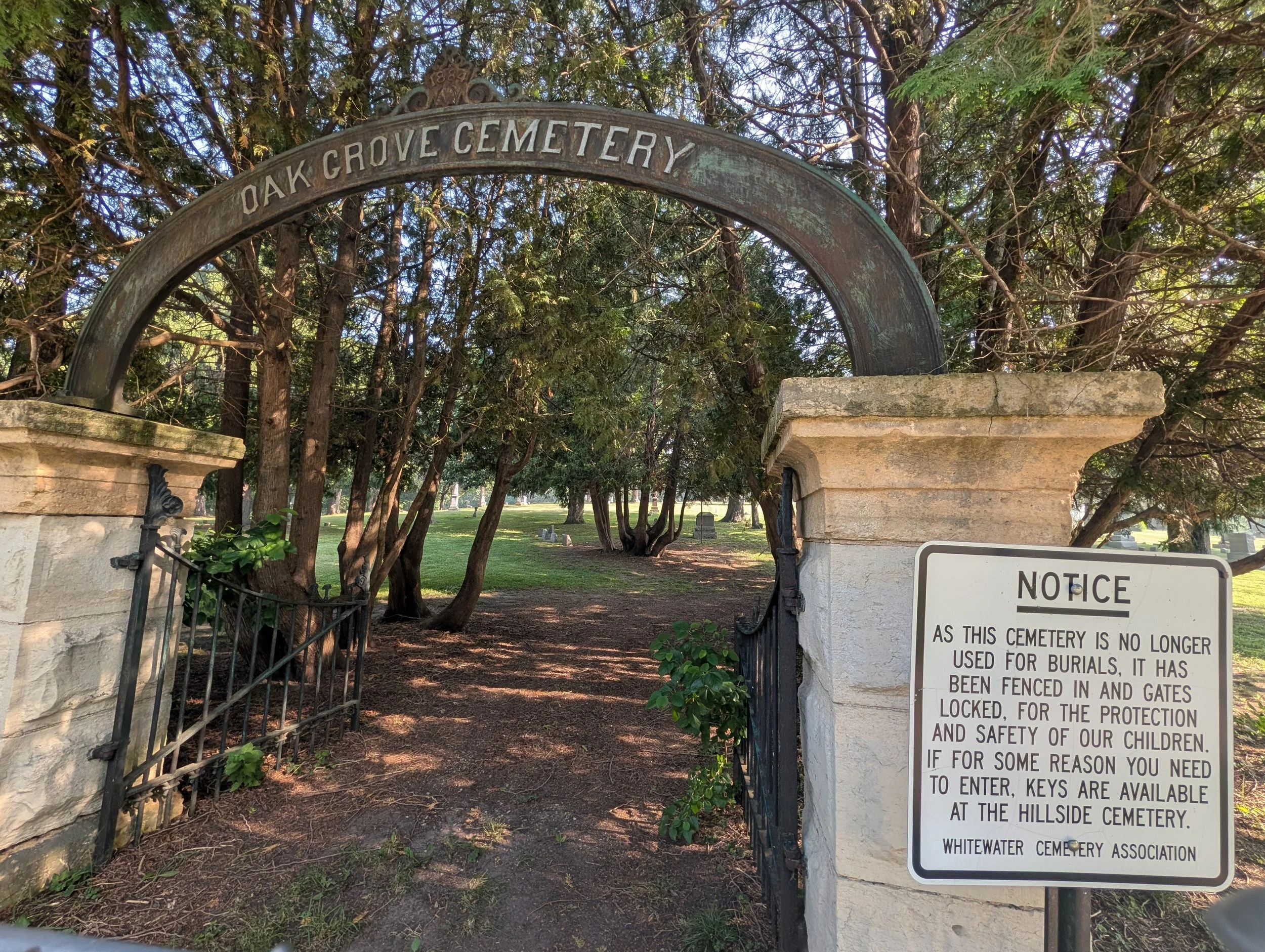
Oak Grove Cemetery
📍 East Main Street
📜 1844 • LL 9/6/2018Established in 1844 through a land donation from Dr. James and Rosepha Trippe, Oak Grove Cemetery is one of Whitewater's oldest burial grounds. It is the final resting place of more than 800 individuals, including Revolutionary War, War of 1812, and Civil War veterans.
-
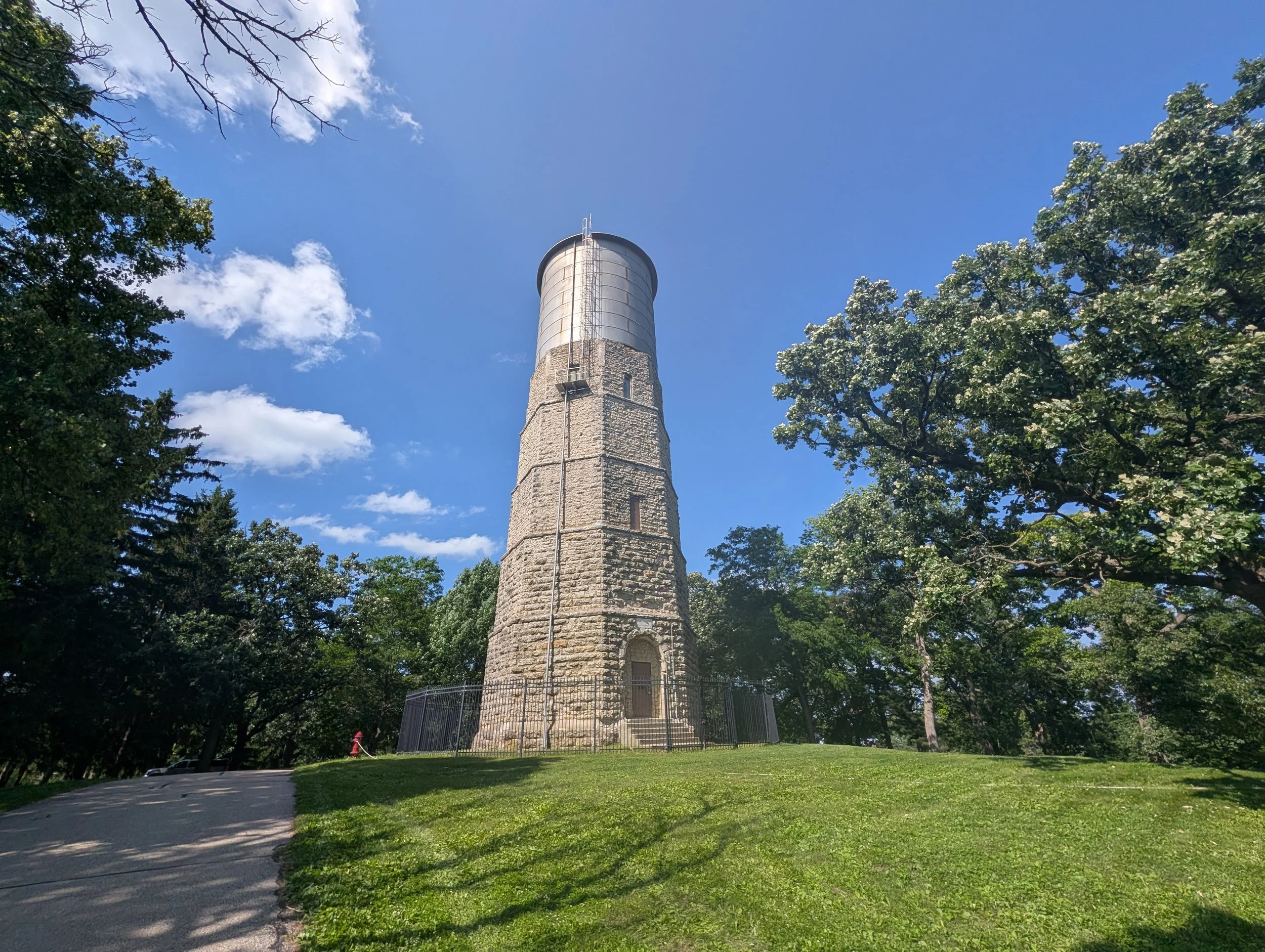
Starin Park Water Tower
📍 504 W. Starin Road
📜 1889 • LL 12/3/2015Constructed in 1889, this 80 foot water tower was Wisconsin's second oldest operating municipal water tower. The tower was decommissioned and drained in 2022. Named along with Starin Park for donor Duane Starin, it remains one of Whitewater's most recognizable landmarks.
-
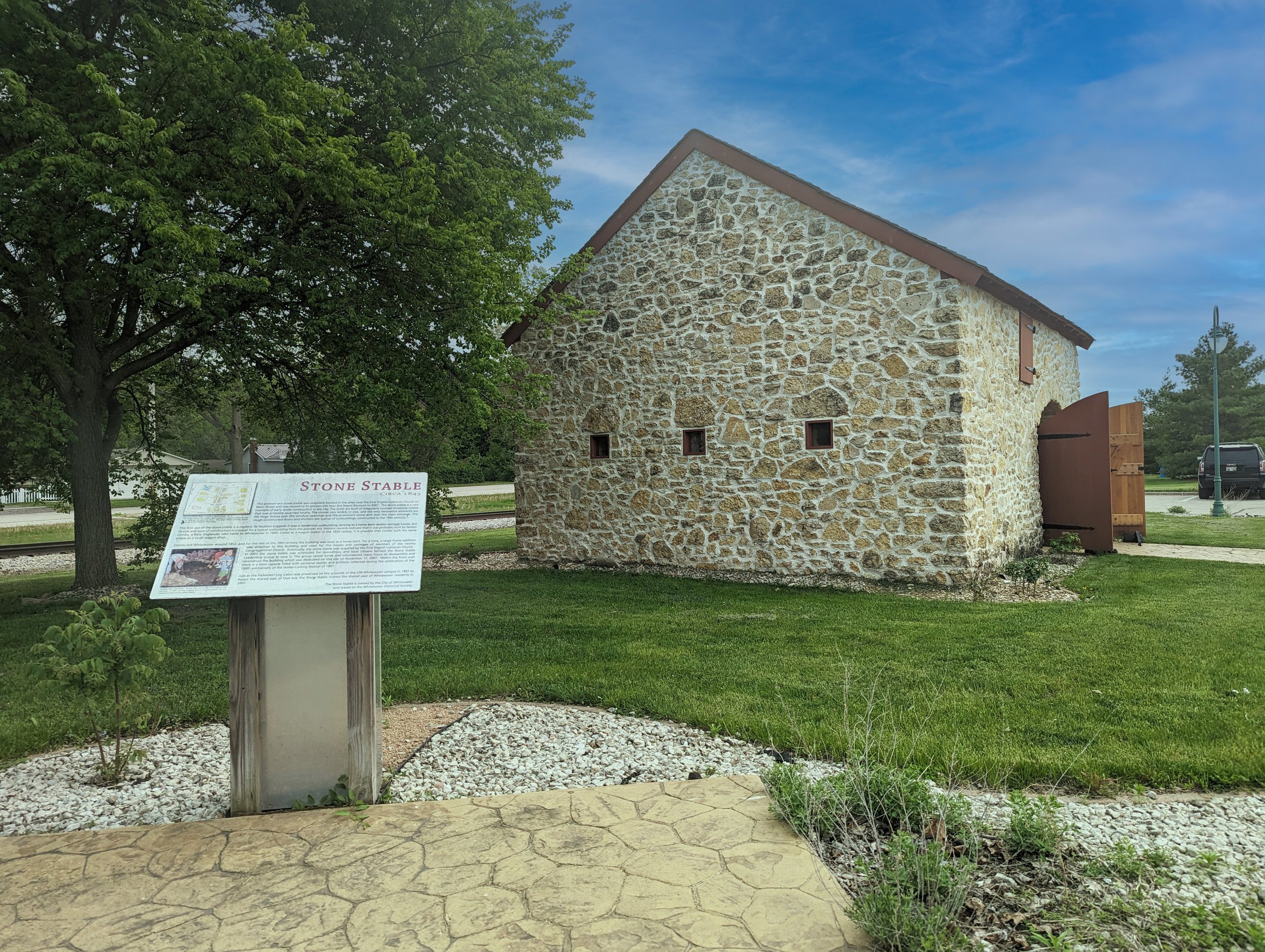
Stone Stable
📍 301 W. Whitewater Street
📜 Circa 1845 | LL 2026One of Whitewater's oldest surviving stone structures, the Stone Stable was built from locally quarried limestone around 1845. Relocated and reconstructed near the Whitewater Depot in 2007, it is now preserved by the Whitewater Historical Society.
-
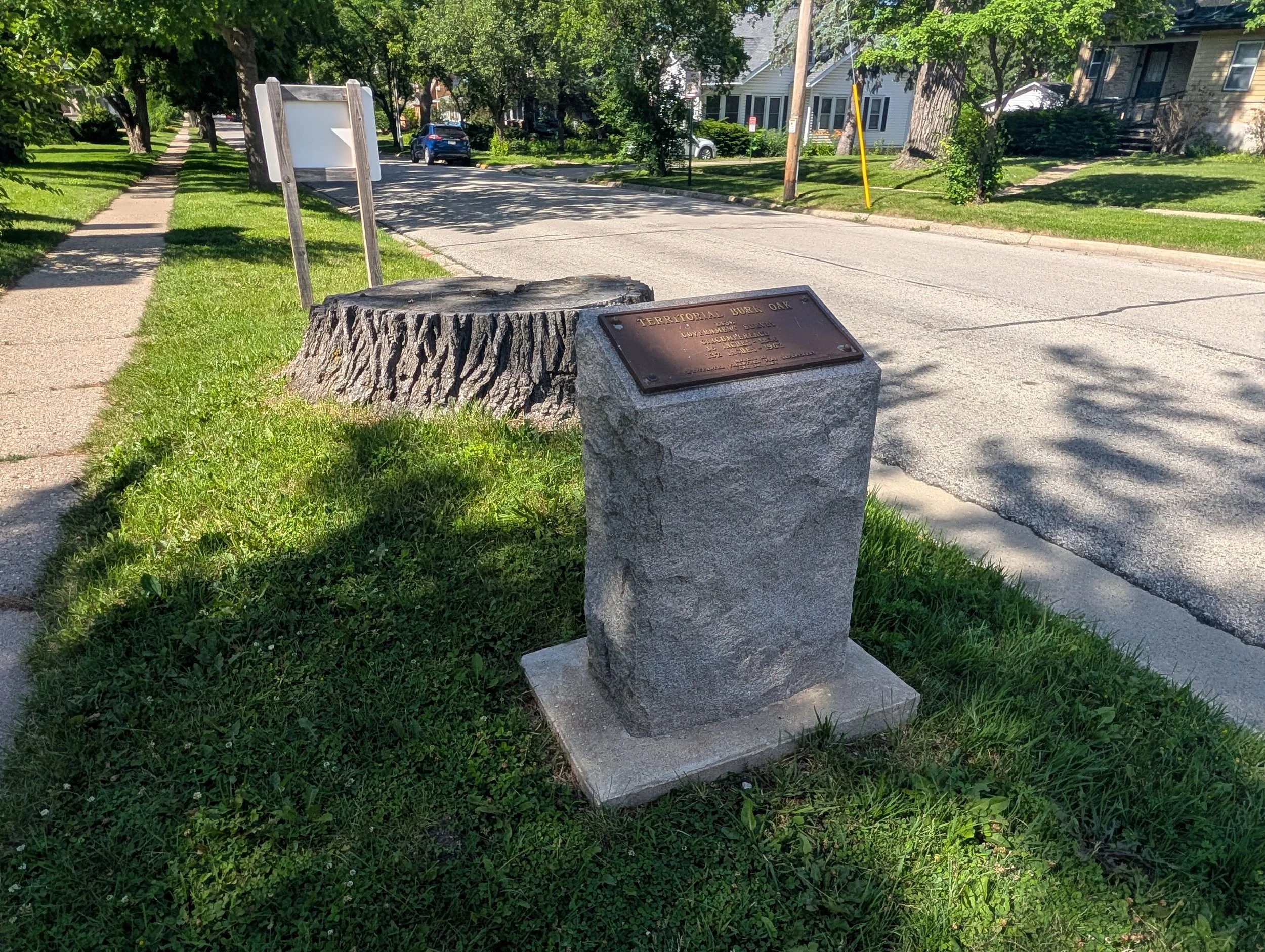
Territorial Oak
📍 W. Main Street & Franklin Street
📜 1836 • LL 3/7/2019The Territorial Oak marks the original point of beginning for the Village of Whitewater, serving as a federal survey witness tree in 1836. Believed to date to 1800 or earlier, it remains one of the community's most historically significant landmarks.
-
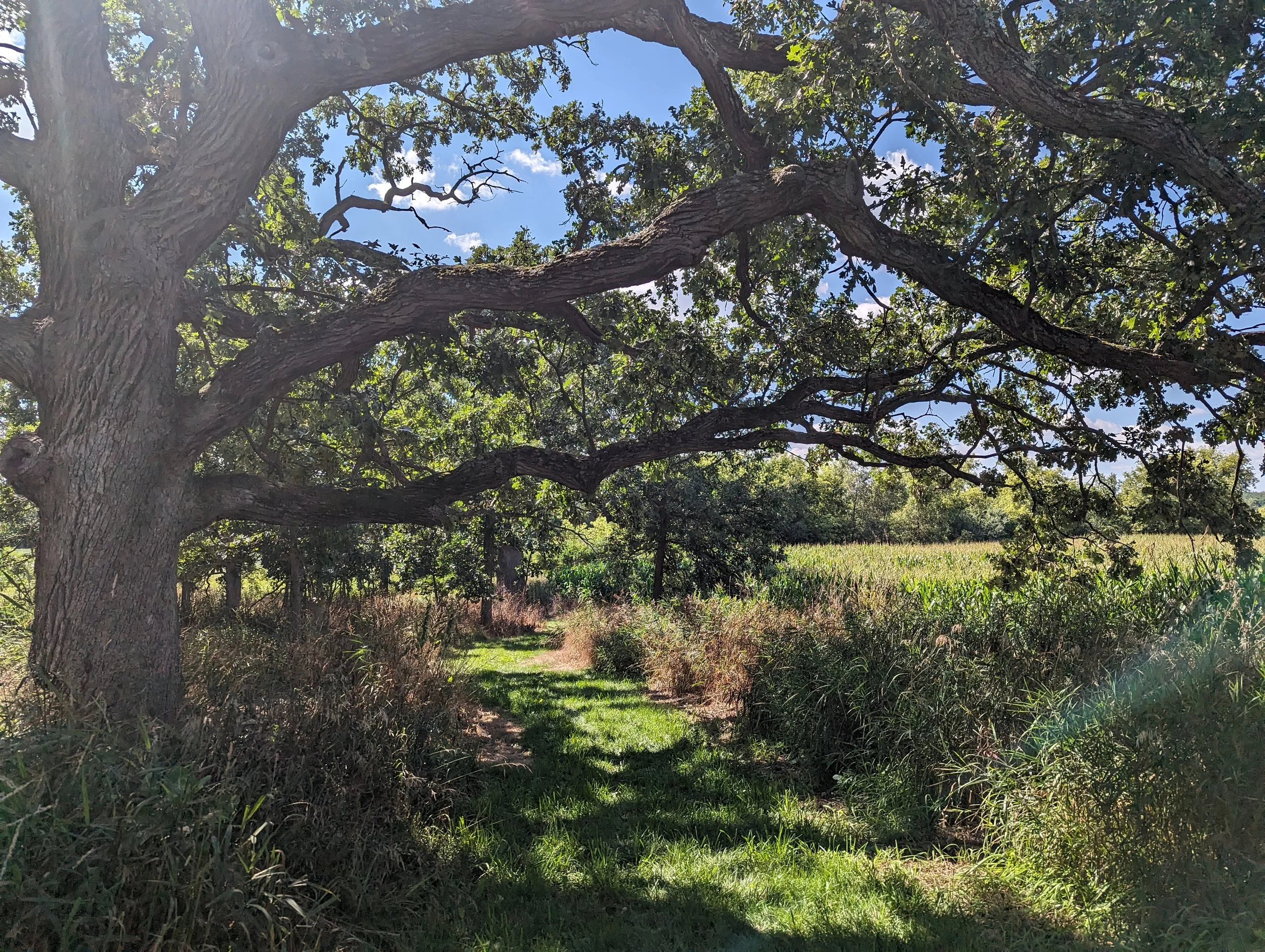
Walton Oaks Park
📍 654 N. Stonefield Lane
📜 2008 • LL 8/3/2017Donated to the City of Whitewater in memory of Don and Ethel Walton, this 2.6 acre park preserves a rare oak savannah. Some of its white and burr oak trees are estimated to be as much as 250 years old.
-
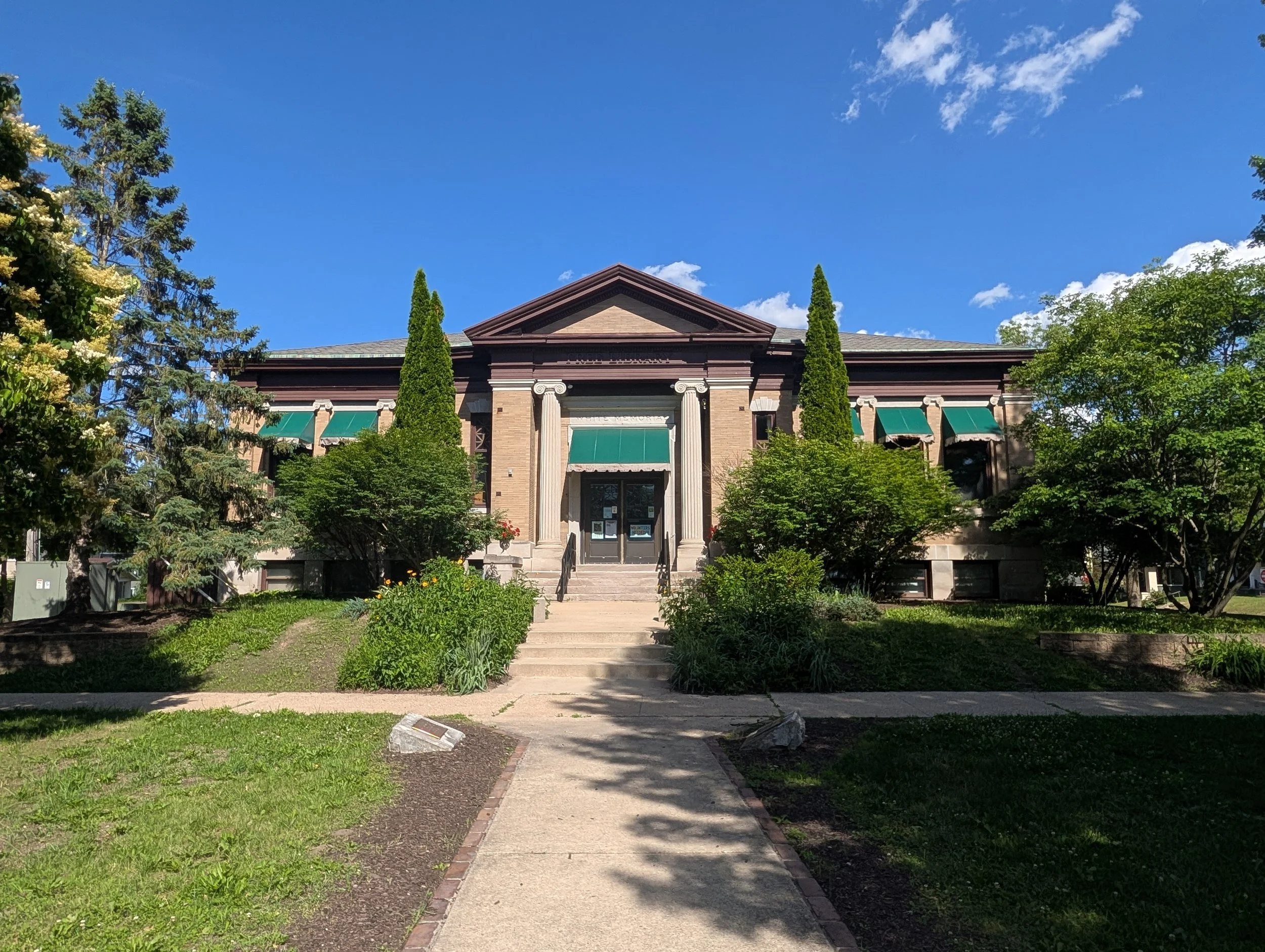
White Memorial Building
📍 402 W. Main Street
📜 1903–04 • LL 1/20/1994 • MSHD/NRHPOriginally built as the Whitewater Free Library, this Classical Revival building was a gift from Mary Flavia White to the community. Today it houses the Whitewater Cultural Arts Center, Whitewater Chamber of Commerce, and Discover Whitewater Tourism.
-
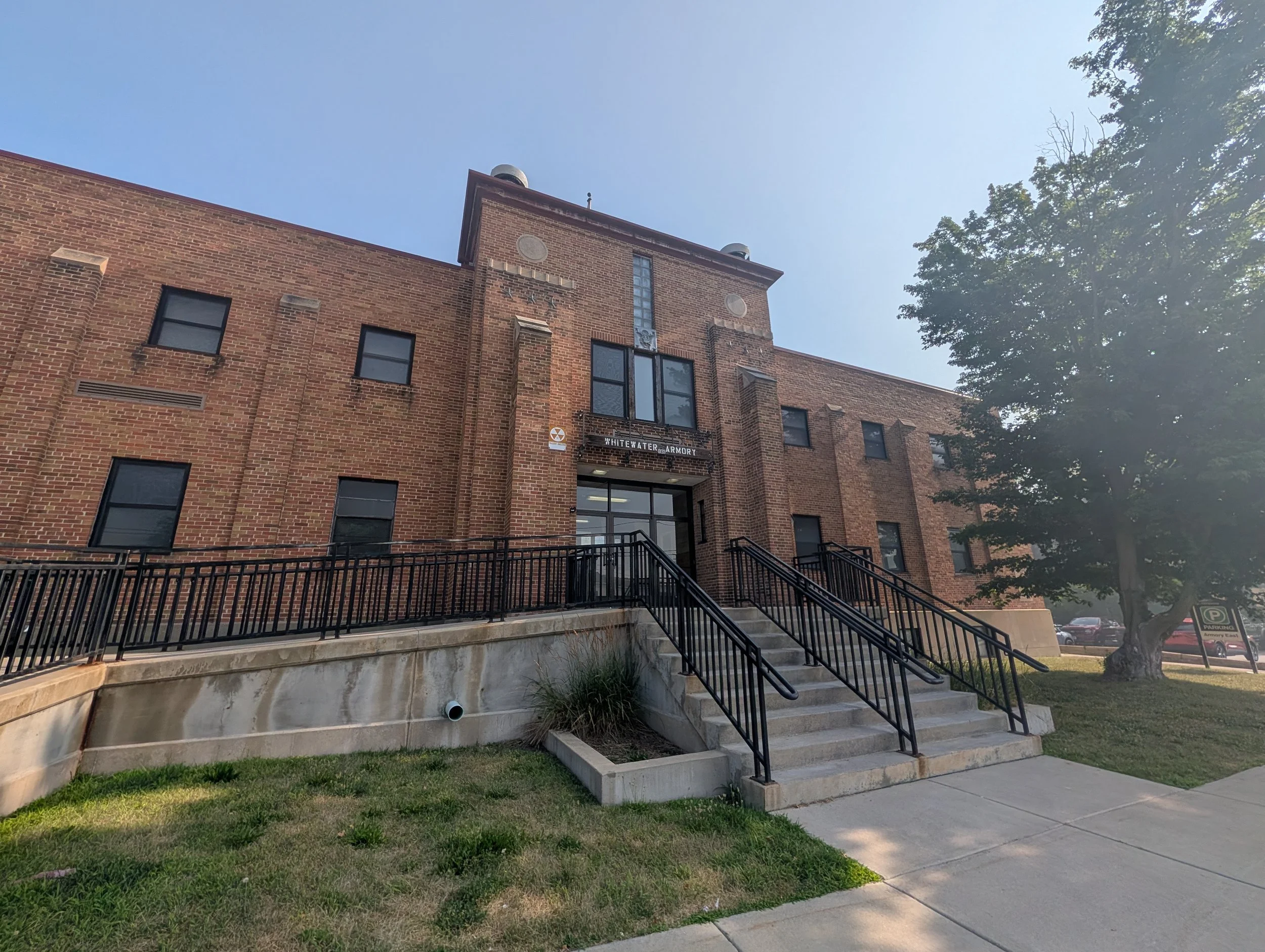
Whitewater Armory
📍 146 W. North Street
📜 1942 • LL 3/5/2015Opened in 1942, the Whitewater Armory served as a National Guard facility for fifty years while also hosting countless community events. Scouts, civic organizations, athletic competitions, dances, and elections all found a home within its walls.
-
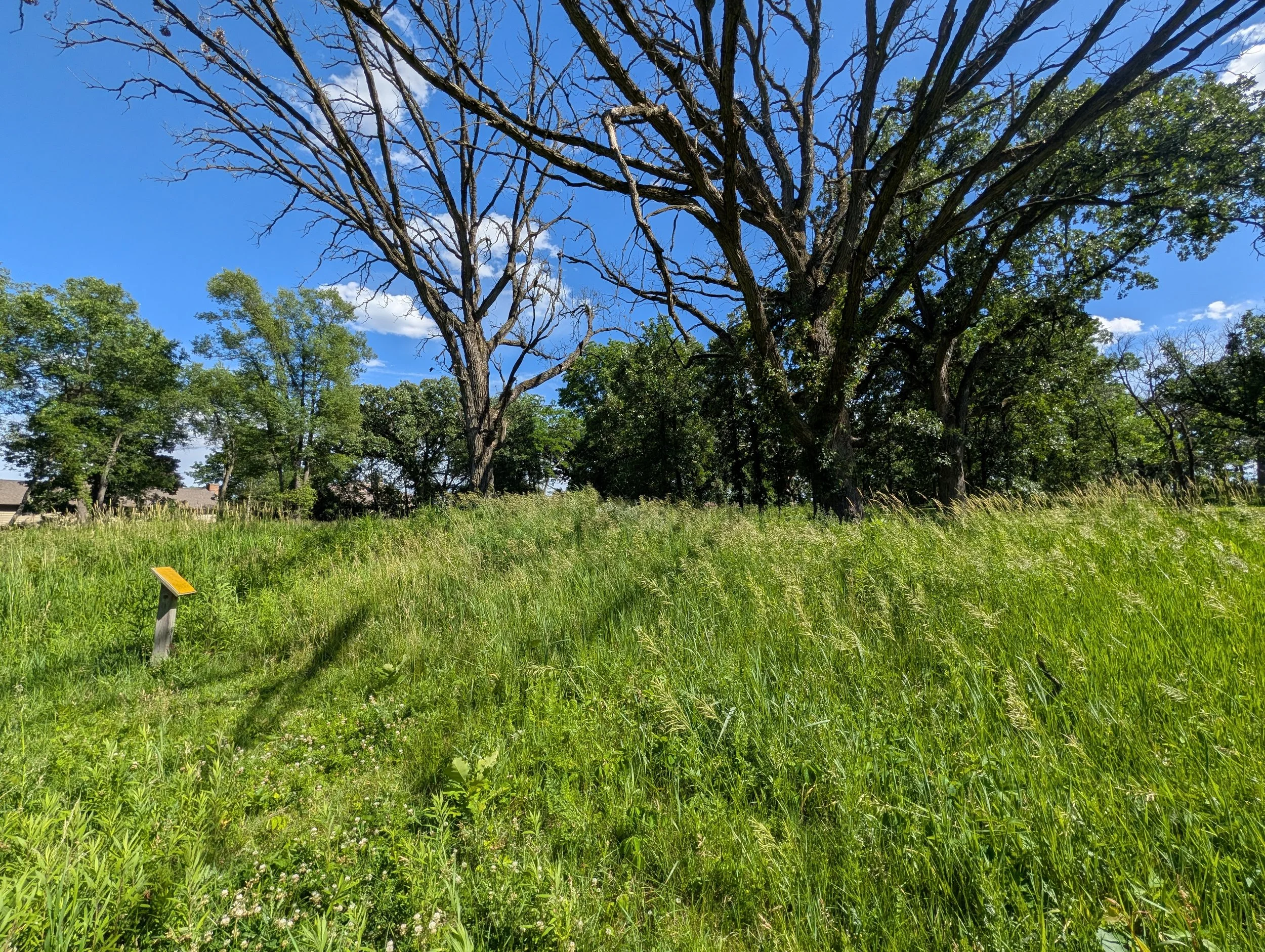
Whitewater Effigy Mounds Preserve
📍 288 S. Indian Mound Parkway
📜 c. 700–1200 • LL 1994 • NRHPWhitewater's oldest landmark preserves ancient conical, linear, and effigy mounds built by Late Woodland peoples between 700 and 1200 A.D. This protected archaeological site has long been significant to Native American tribes and remains safeguarded by federal law.
-
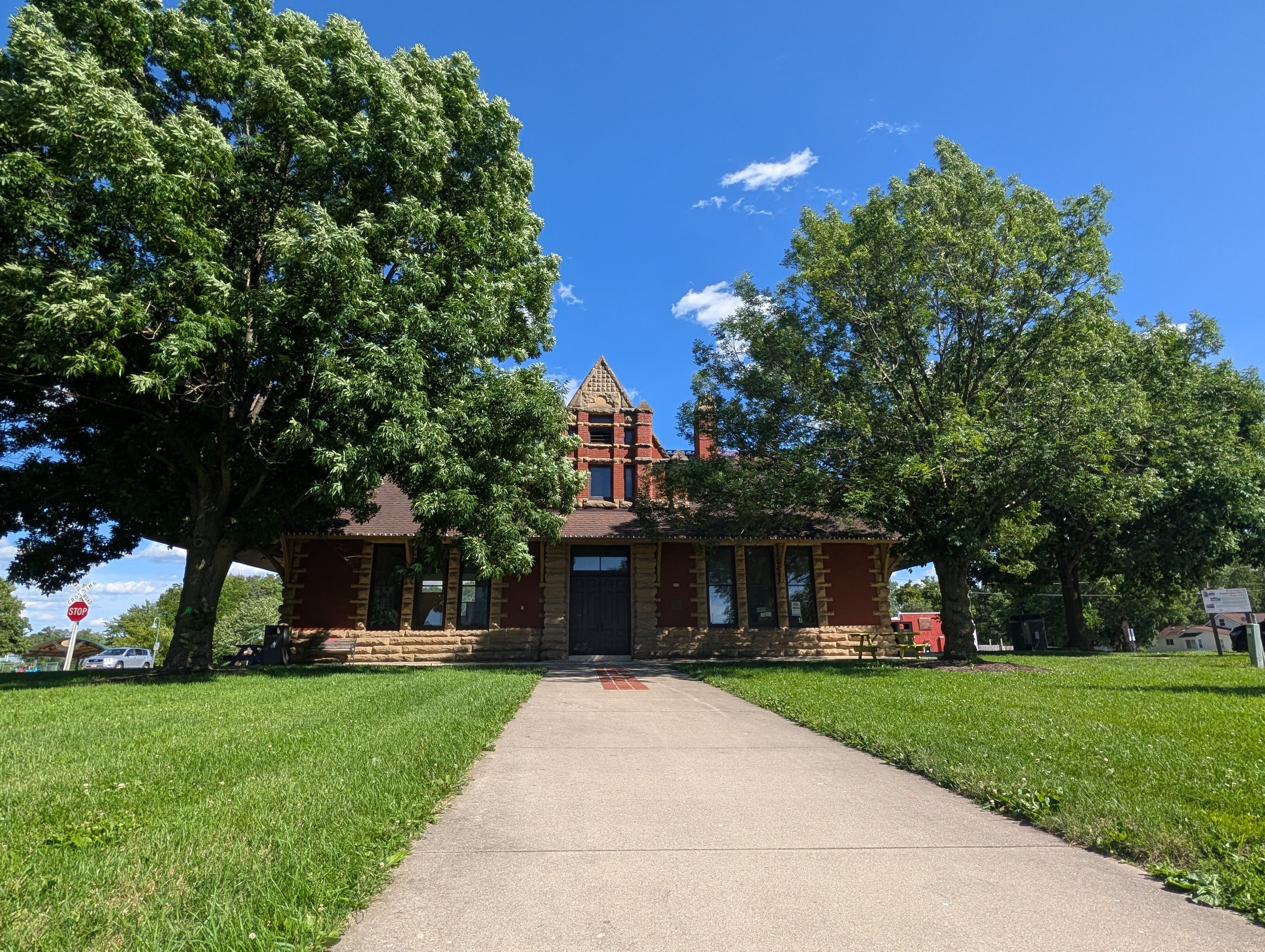
Whitewater Passenger Depot
📍 301 W. Whitewater Street
📜 1890 • LL 7/9/1984 • NRHPDesigned by architect J. T. W. Jennings, the Whitewater Passenger Depot is a rare example of High Victorian Gothic railroad architecture in Wisconsin. Once serving multiple passenger and freight trains each day, the depot has been home to the Whitewater Historical Society Museum since 1974.
-
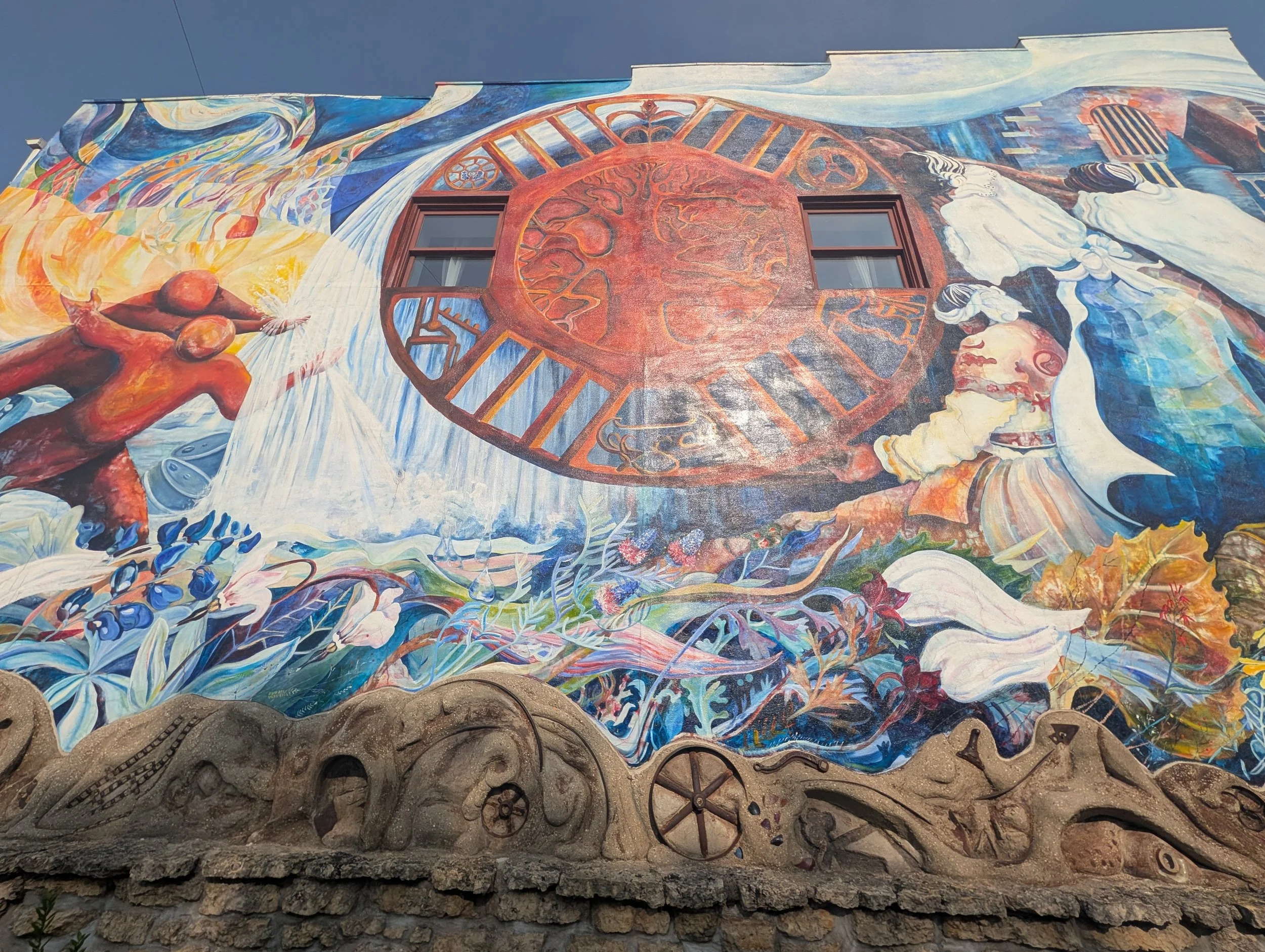
Prairie Tillers Mural
📍 119 Center Street
📜 1980, 2004 • LL 2020Created by nationally recognized Whitewater muralist Caryl Yasko, the Prairie Tillers Mural celebrates Whitewater's history, people, and the unique landscape of the Kettle Moraine. Restored and repainted in 2004, the mural has become one of the city's most recognizable landmarks and includes a sculptural retaining wall featuring locally inspired artwork.
Understanding Whitewater's Historic Designations
-
Whitewater Local Landmark (LL)
Recognizes buildings, structures, or archaeological sites that are historically or architecturally significant to the City of Whitewater.
-
Main Street Historic District (MSHD)
A nationally recognized historic neighborhood featuring many of Whitewater's finest homes, churches, civic buildings, and architectural styles dating from 1855 through 1935.
-
National Register of Historic Places (NRHP)
The nation's official list of historic places worthy of preservation, maintained by the National Park Service.
Continue Exploring Whitewater's History
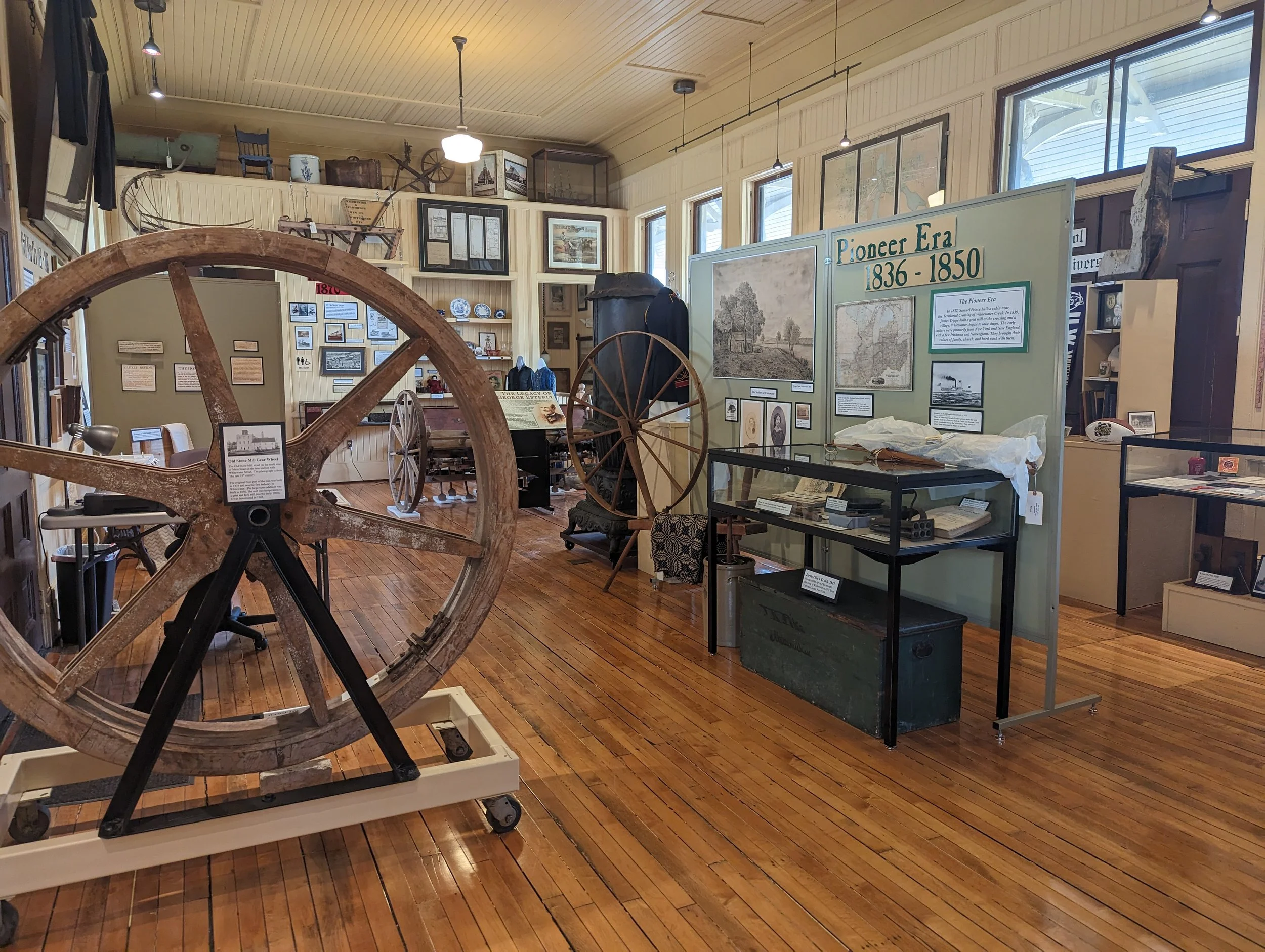
Whitewater's historic landmarks are just one chapter in the community's story. For those interested in learning more, the Whitewater Historical Society preserves and shares the history of Whitewater through exhibits, photographs, archives, and the Whitewater Depot Museum. It's a great place to continue your journey through Whitewater's past.