
Why Is Whitewater, Wisconsin Called the “Second Salem”?
Witches. Séances. A mysterious stone tower. Haunted cemeteries. A cursed book. Strange creatures lurking beneath the waters of Whitewater Lake. For generations, stories of the unexplained have earned Whitewater, Wisconsin a mysterious nickname: the “Second Salem.”
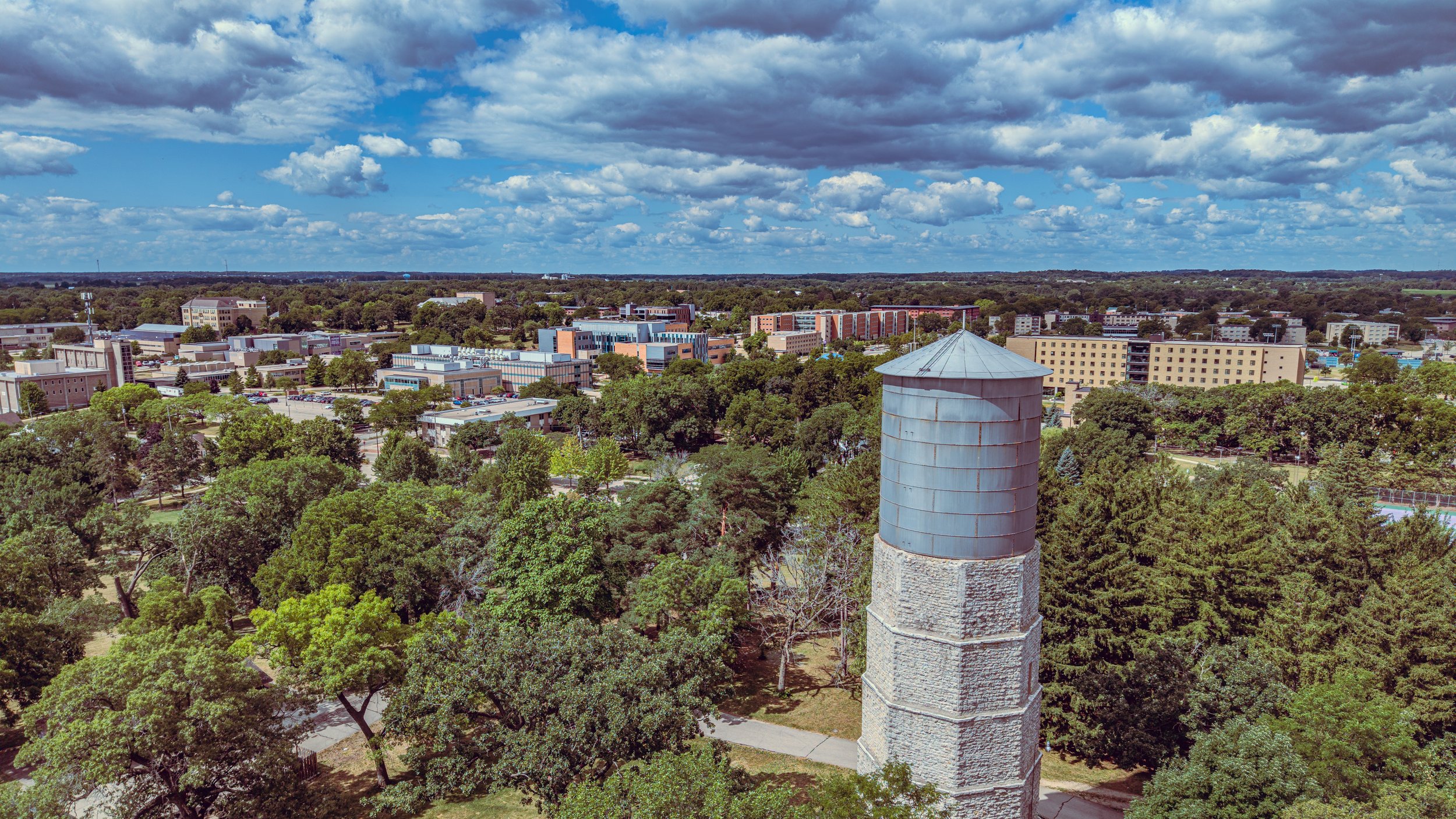
But unlike many spooky legends, Whitewater’s reputation has roots in a very real and fascinating chapter of local history. In the late 1800s, Whitewater became home to a center dedicated to the study of Spiritualism and communication with the spirit world. It would later become known as the Morris Pratt Institute. Over time, fact mixed with rumor, stories were passed from one generation to another, and Whitewater became associated with witches, ghosts, mysterious rituals, and unexplained happenings.
So, how did an otherwise quiet Wisconsin community become known as the Second Salem?
It Started With Spiritualism
To understand Whitewater’s legends, you first have to understand Spiritualism.
The religious movement became popular in the United States during the mid-1800s. Spiritualists believed that the soul continued to exist after death and that communication between the living and the spirit world was possible. Mediums served as intermediaries, and séances were viewed by serious Spiritualists as a way to communicate with spirits and better understand the afterlife.
The movement attracted followers throughout the country, including Morris Pratt, who came to Wisconsin from New York in 1840 and settled in the Whitewater area. By the 1850s, Pratt had become a devoted Spiritualist. His beliefs would change Whitewater history.
Morris Pratt and the Temple of Science
According to historical accounts, Pratt invested in northern Wisconsin mining interests after receiving advice connected to Mary Folsom Hayes Chynoweth, a Spiritualist known for her claimed healing and prophetic abilities.
He had promised that if the investment made him wealthy, he would use part of his fortune to advance Spiritualism. He kept that promise.
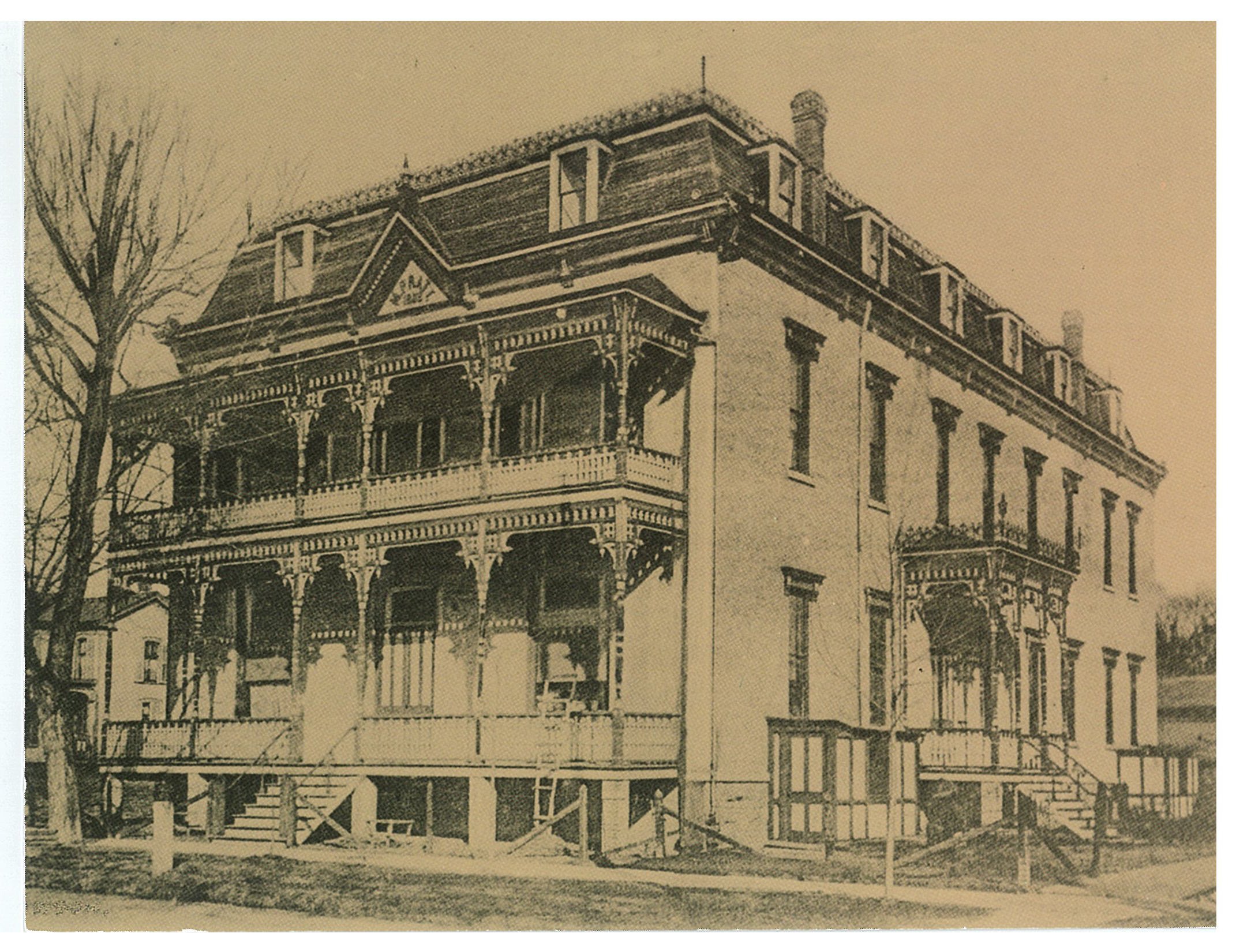
In 1888, Pratt began construction of an elaborate three-story building at what is now the corner of Center and Fremont streets in Whitewater. The building opened the following year and eventually became known as the Temple of Science.
Inside were lecture rooms, living quarters, and spaces where Spiritualists could gather. Lectures and meetings were held there, along with Spiritualist circles and séances. To Pratt and his fellow Spiritualists, these practices were part of a serious religious and philosophical movement.
To some of their Whitewater neighbors, however, what happened inside the building was mysterious and unsettling. The Temple picked up nicknames including “Pratt’s Folly” and the “Spook Temple.” Rumors circulated about séances, communicating with the dead, and other strange activities taking place behind its walls.
Whitewater began to develop a reputation that extended beyond the community. According to local lore, a Chicago newspaper reporter compared Whitewater to Salem, Massachusetts, forever associated with the infamous witch trials of 1692. Whether the newspaper account can be traced or not, the nickname “Second Salem” became part of Whitewater’s story.
From Spiritualists to Witches
There is an important difference between Whitewater’s documented history and the legends that came later.
The Spiritualists who gathered in Whitewater were not witches. They were members of a religious movement that believed communication with the spirit world was possible. Morris Pratt wanted his institution to provide serious study of Spiritualism as well as a broader education.
In the early 1900s, the Temple of Science formally became the Morris Pratt Institute. Its curriculum included subjects such as literature, history, astronomy, psychology, mathematics, music, comparative religion, evolution, psychic research, and the principles of Spiritualism.
Students came from around the country, with some training to become mediums, lecturers, and other Spiritualist practitioners. But outside the institute, stories continued to spread.
As Spiritualism became associated with séances and communication with the dead, rumors of witchcraft became intertwined with Whitewater’s history. The unusual beliefs of the Spiritualists, combined with misunderstanding and plenty of imagination, provided fertile ground for new stories.
And those stories did not disappear when the institute did.
Learn more about the history of Spiritualism & The Morris Pratt Institute.
The Legends Take on a Life of Their Own
The Morris Pratt Institute eventually left Whitewater for Milwaukee, where it still exists today. The former Whitewater building later served as a residence hall for students before being demolished in 1961. A telephone company building was constructed on the site, which remains today.
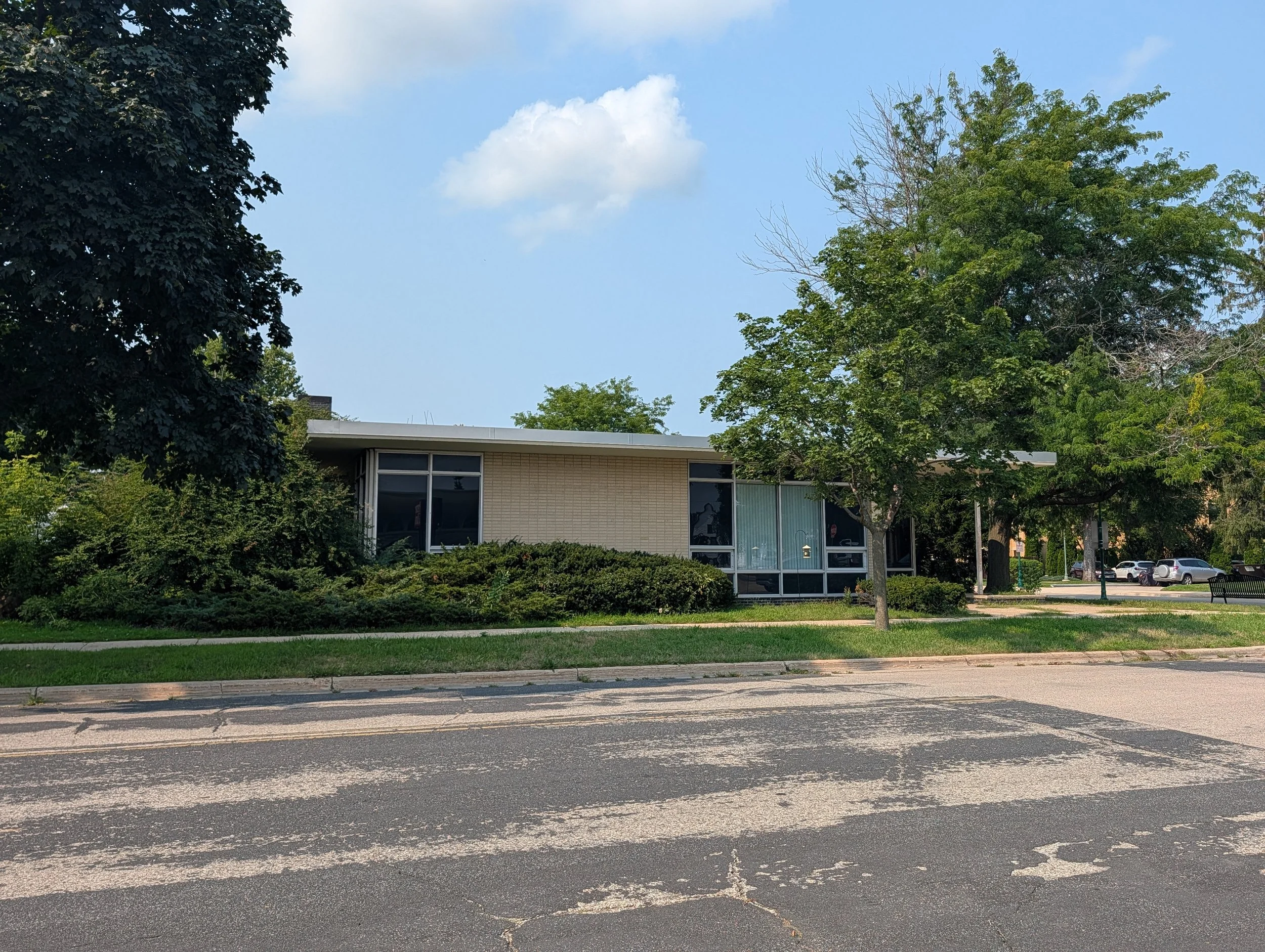
The building was gone, but the stories remained. In fact, some believe that is when Whitewater’s supernatural legends really began to flourish.
Over the years, tales once associated with the institute became attached to other places around the community. College students shared the stories. New details appeared. Fact and folklore blended together. Soon, Whitewater had an entire collection of legends.
There was the Witches Tower in Starin Park, where witches were said to gather and perform rituals.
There was a mysterious book supposedly hidden inside the University of Wisconsin Whitewater’s Andersen Library that could bring misfortune to anyone who dared read it.
Stories circulated about underground tunnels connecting homes throughout the city.
At Whitewater Lake, tales emerged of strange figures gathering along the shore and an unidentified creature lurking beneath the water.
And then there were the cemeteries. Whitewater's three historic cemeteries, Hillside, Calvary, and Oak Grove, form what local lore calls the "Witches Triangle." According to legend, the unusual configuration creates an area of supernatural energy, with some stories claiming that the land and buildings within the triangle are especially prone to paranormal activity. Adding to the intrigue, the original Morris Pratt Institute stood within the triangle.
Separating History From Legend
Whitewater really was an important center for Spiritualism.
Morris Pratt really did build an institution devoted to the movement. Spiritualists really did gather in Whitewater, practice their faith, study the spirit world, and participate in séances.
The Morris Pratt Institute became an unusual part of Whitewater’s history and one of relatively few institutions dedicated to formal Spiritualist education.
The witches, cursed books, secret tunnels, haunted towers, mysterious creatures, and supernatural triangle belong largely to the world of local legend.
But after more than a century of retelling, those legends have become a piece of Whitewater history in their own right. Perhaps that is the real reason the “Second Salem” name has endured.
Discover Haunted Whitewater
Today, you do not have to hold a séance to uncover Whitewater’s mysterious past.
Explore the places, people, and stories behind the Second Salem through Haunted Whitewater. Follow the Self-Guided Spirit Tour to historic locations throughout the community, discover the stories behind Whitewater’s best known legends, and decide for yourself where history ends and folklore begins.
After all, Whitewater has something many haunted destinations do not: a documented history unusual enough to make the legends that followed seem just a little more believable.
View the Self-Guided Tour or explore the historic places & haunted legends.